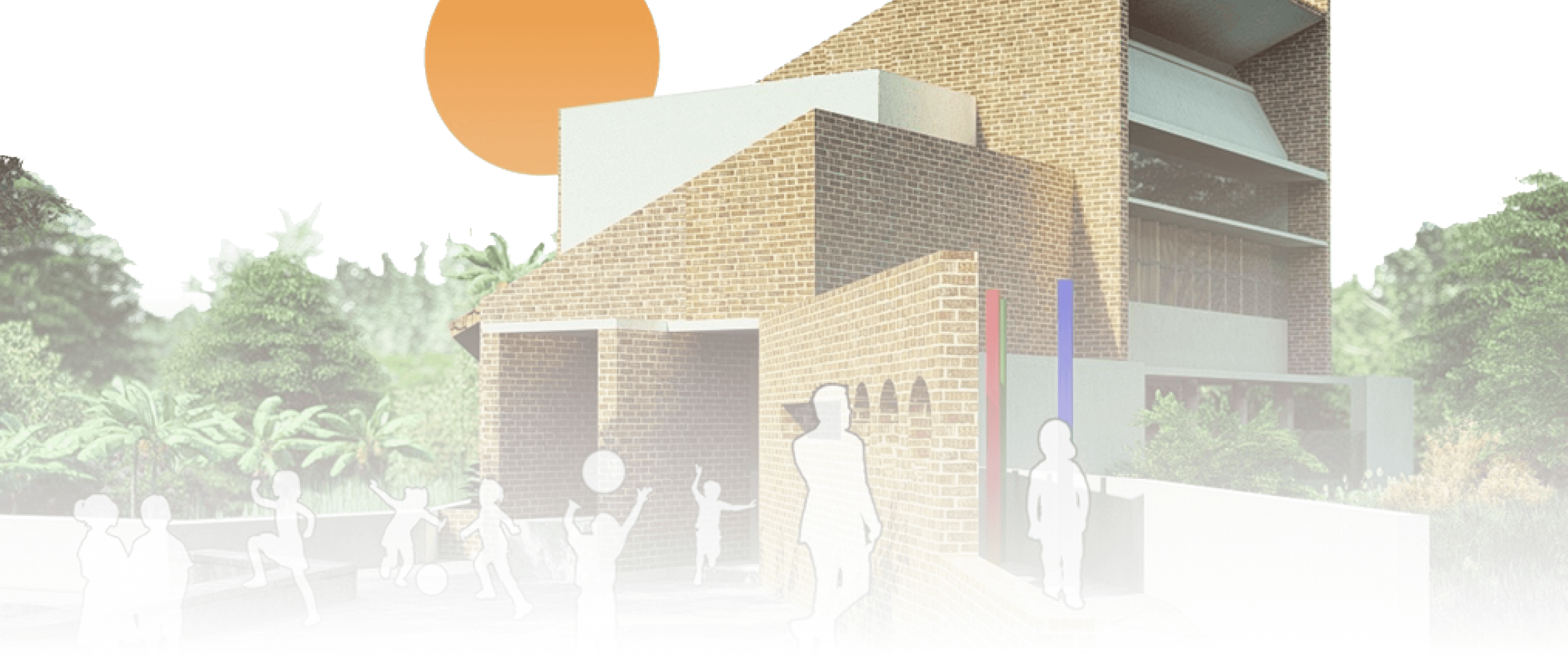
Anganwadi
Anganwadi (Kindergarten) is an Indian Government program for tackling malnutrition in kids from ages 3-6 and providing them early education. These spaces are also used to deliver welfare schemes to underprivileged communities
Brief
Designing an anganwadi (kindergarten) in Kerala, Inida for 20-25 kids with an office space for delivering government schemes for the community.
Anganwadi Site
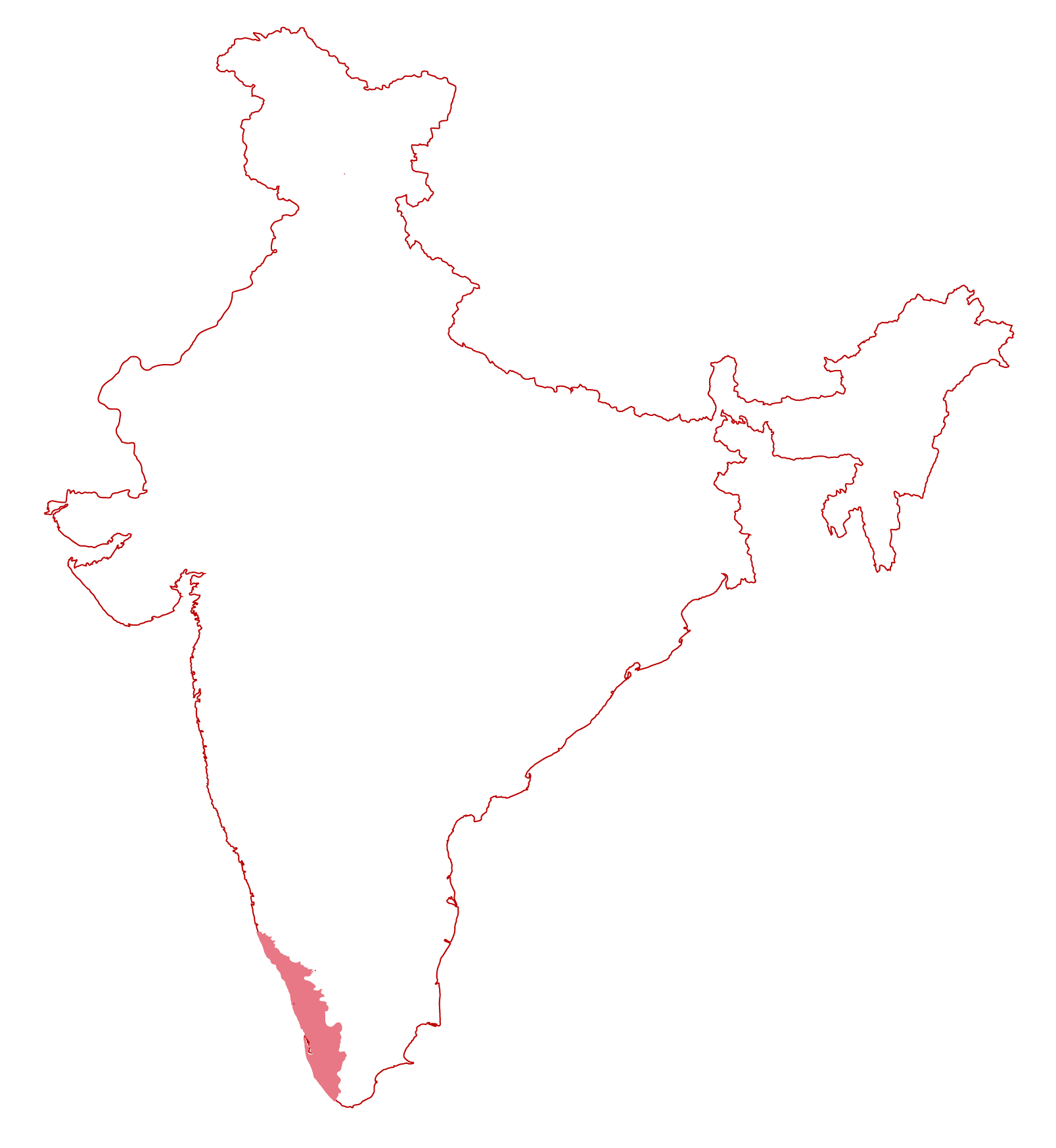
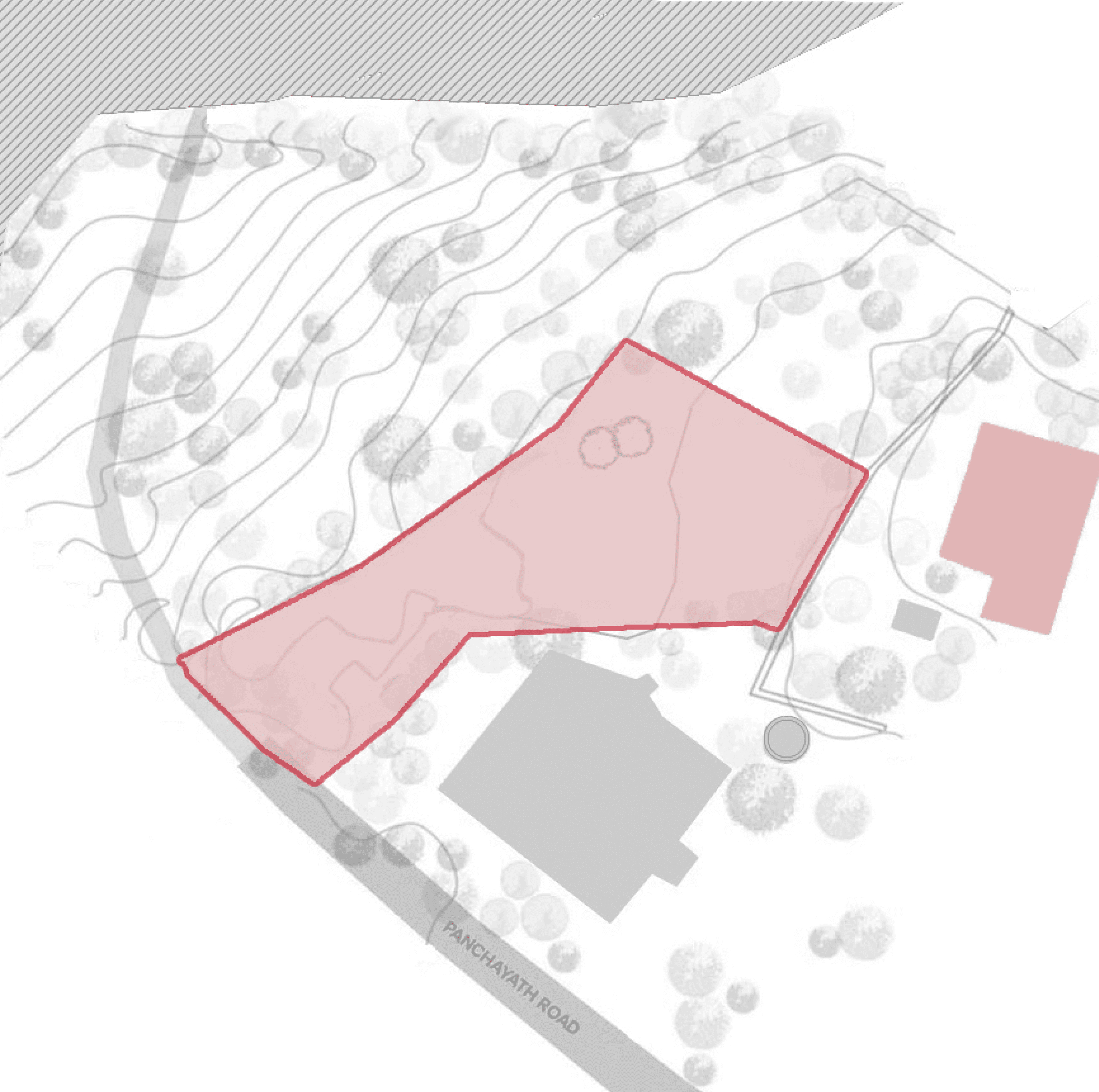
Site is located in a small town in Northern Kerala, India on the banks of a river. There are a lot of trees in and around the site. There are small to medium houses surrounding the site and the kids mostly come from houses located 1-2 kms away from the site
India
Kerala
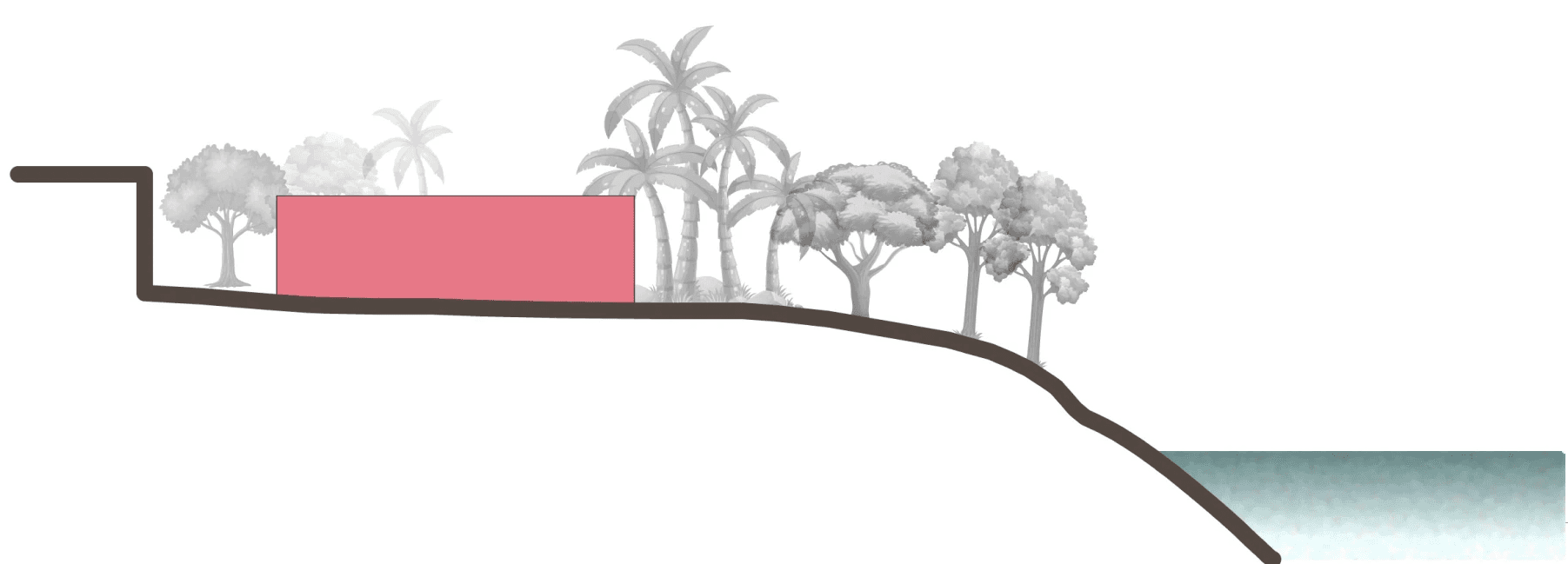
Section through the Site
Neighboring
House
Site
285 Sq.mt.
River
Existing
Anganwadi
Site Plan
N
Existing Anganwadi activity mapping
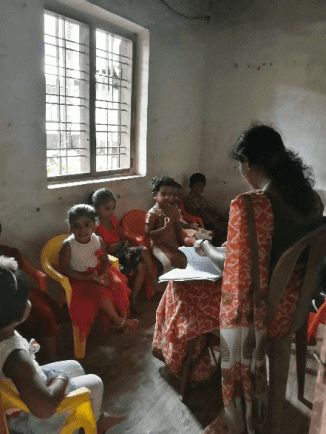
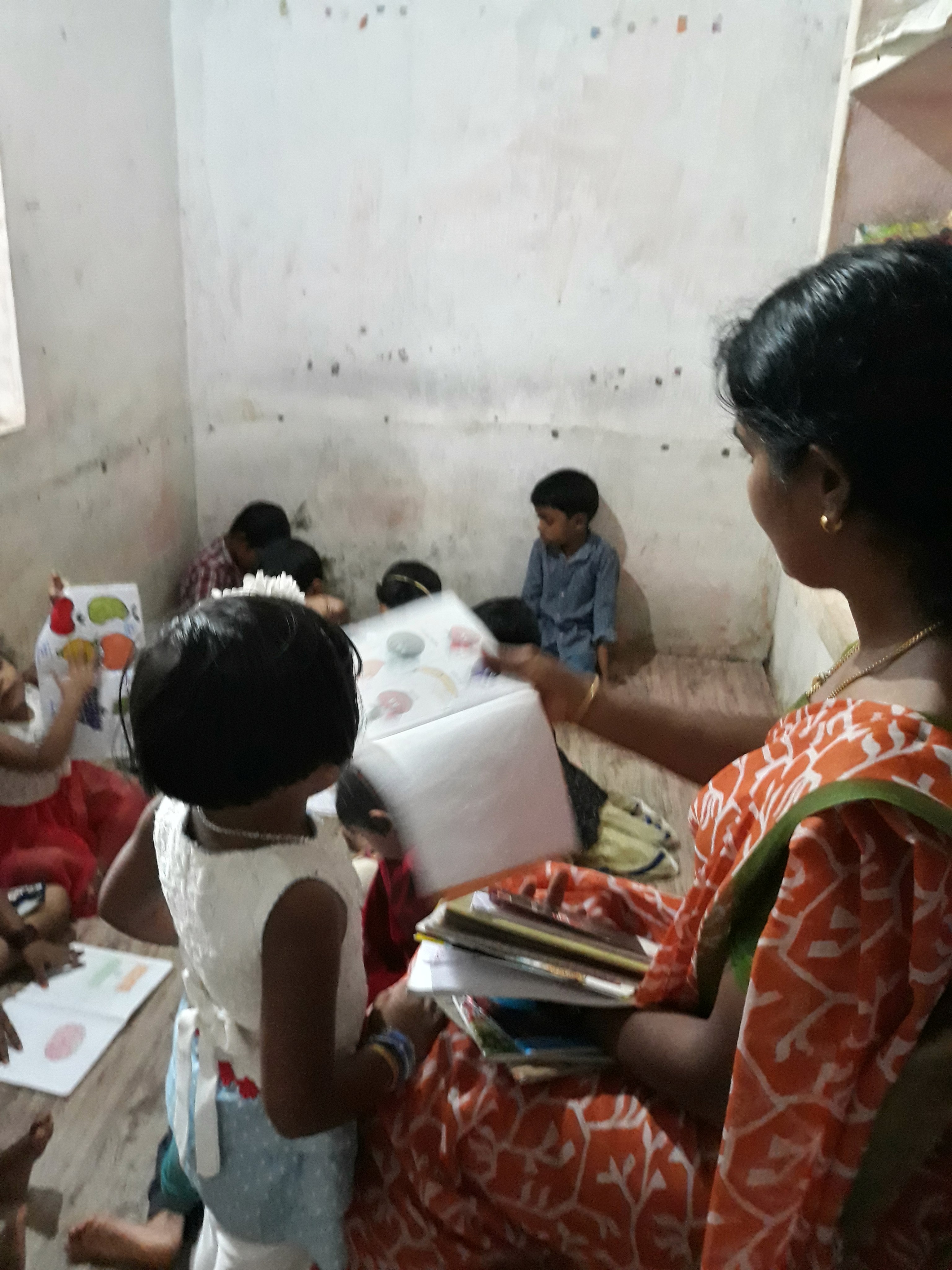
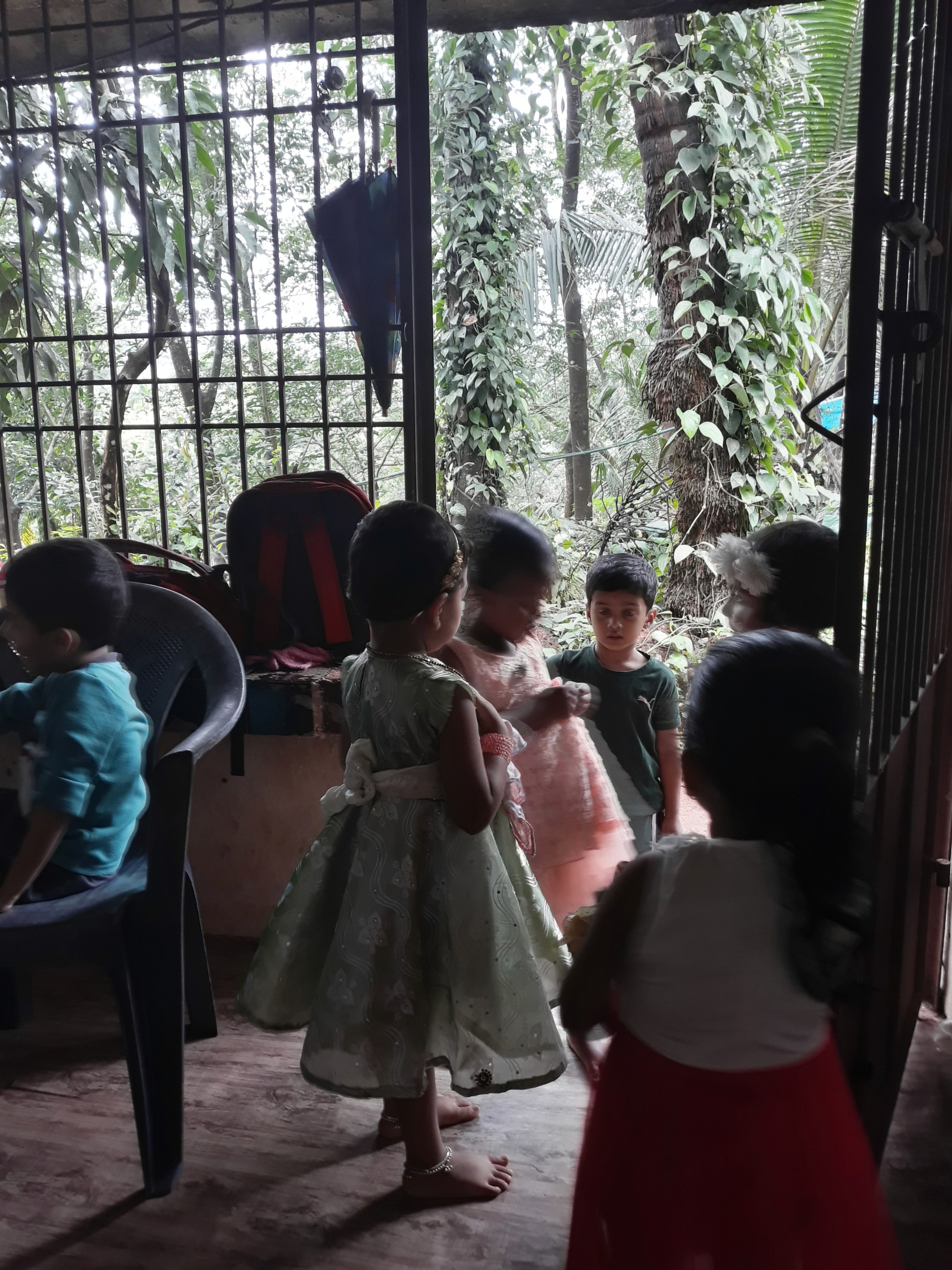
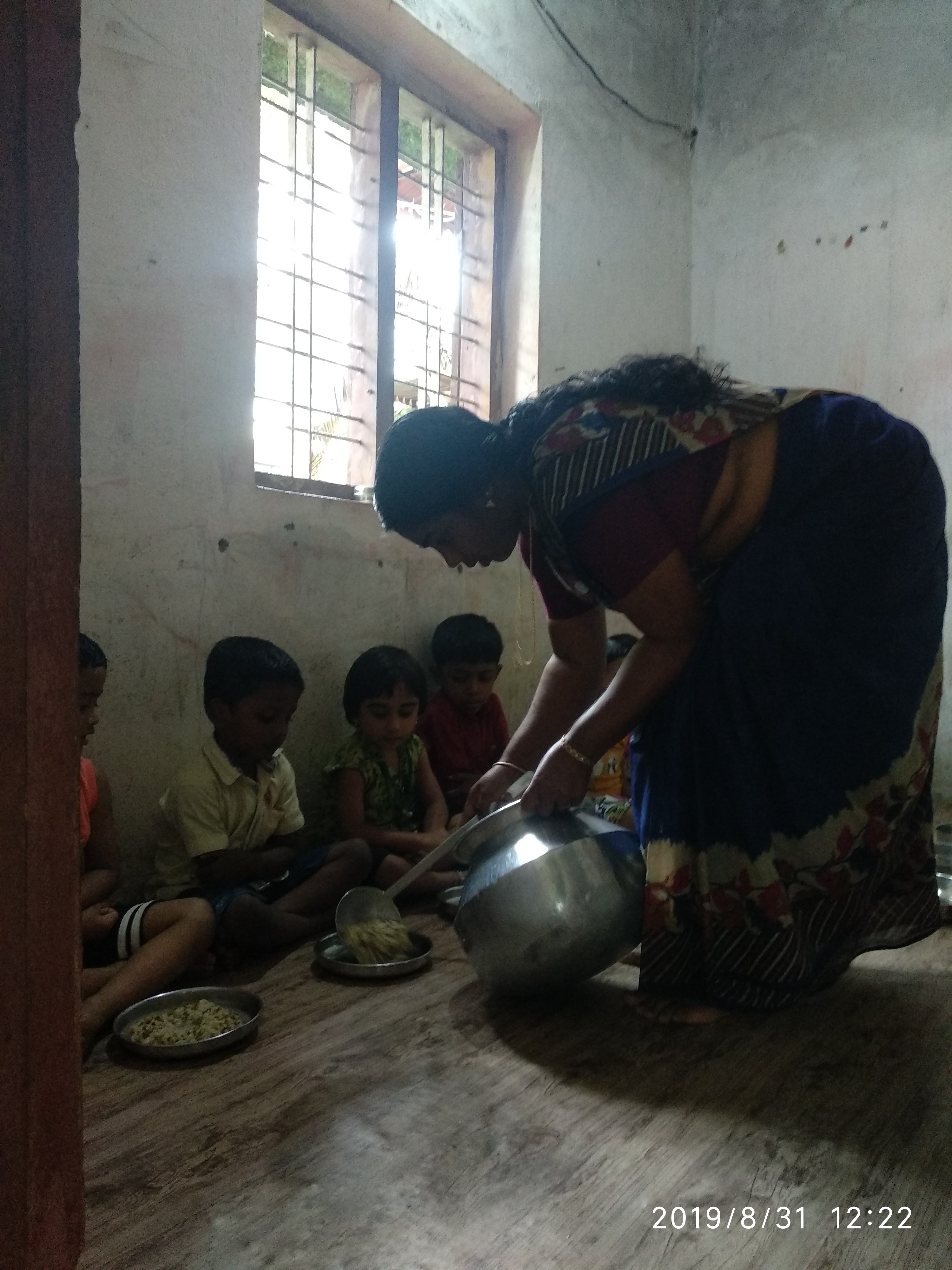
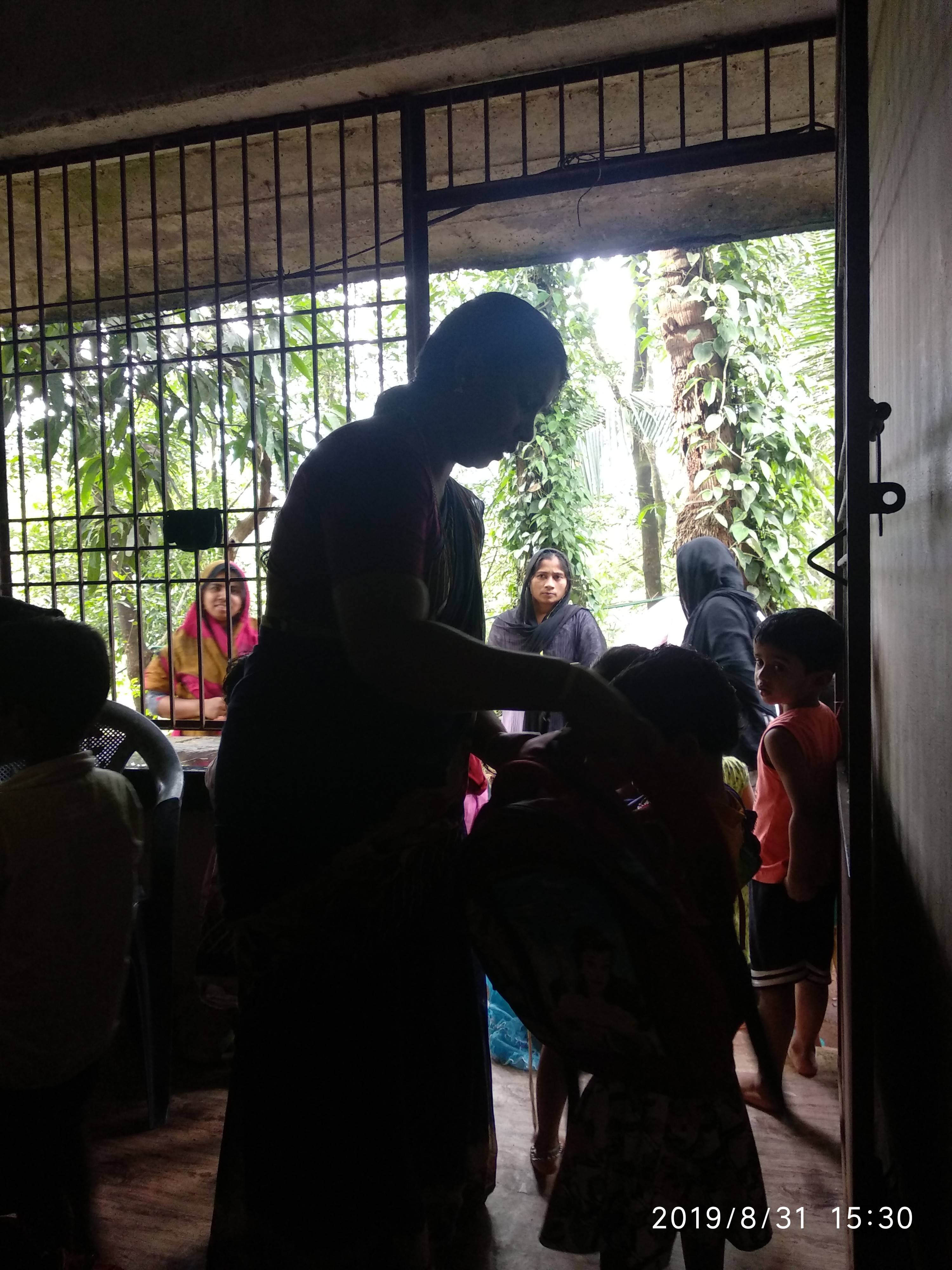
Anganwadi Operating Hours
9:30 AM
3:30 PM
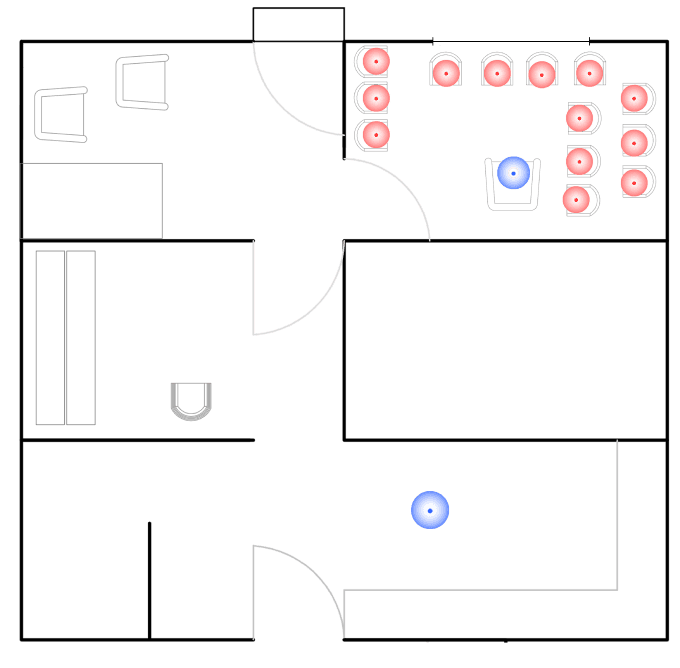
10:00 to 10:30
Prayer and Conversations
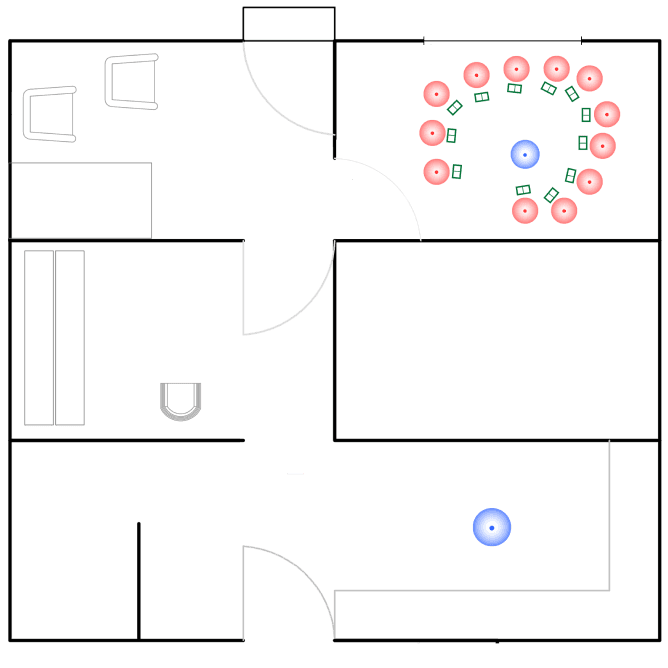
10:45 to 12:15
Learning and Playing
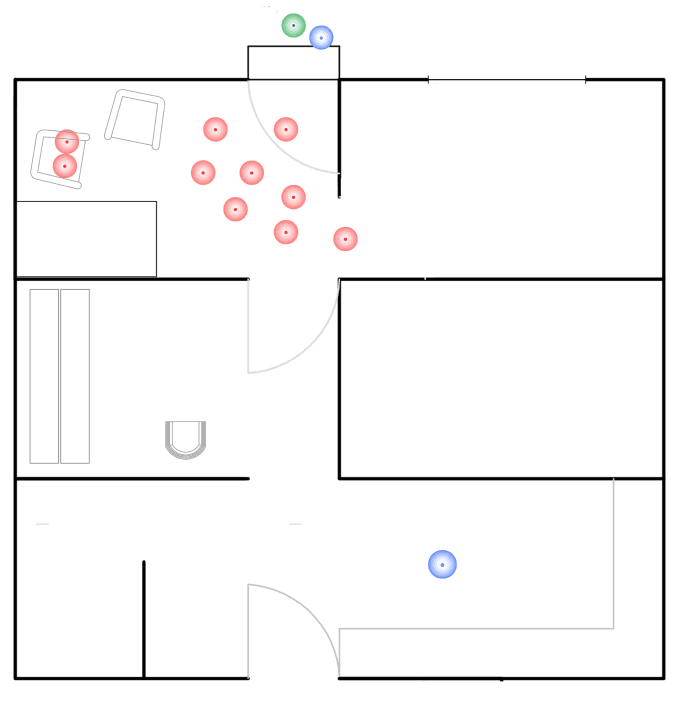
In-between sessions
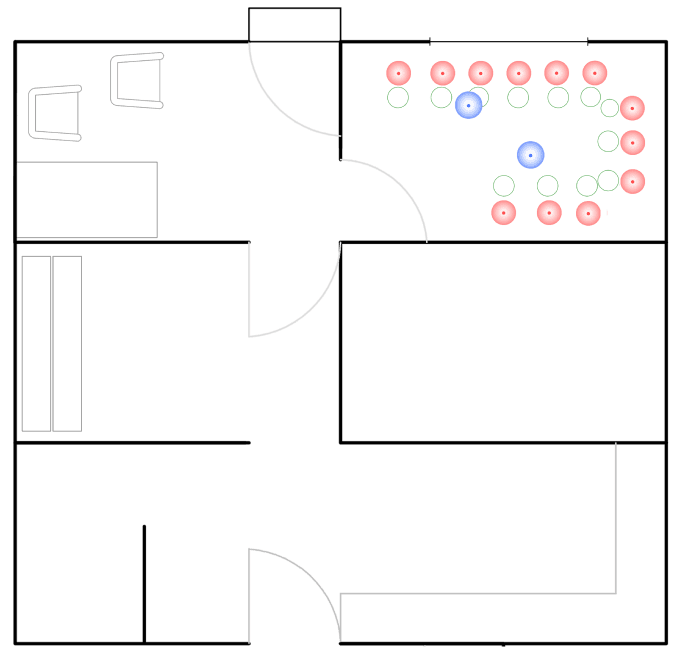
12:30 to 2:15
Lunch and nap time
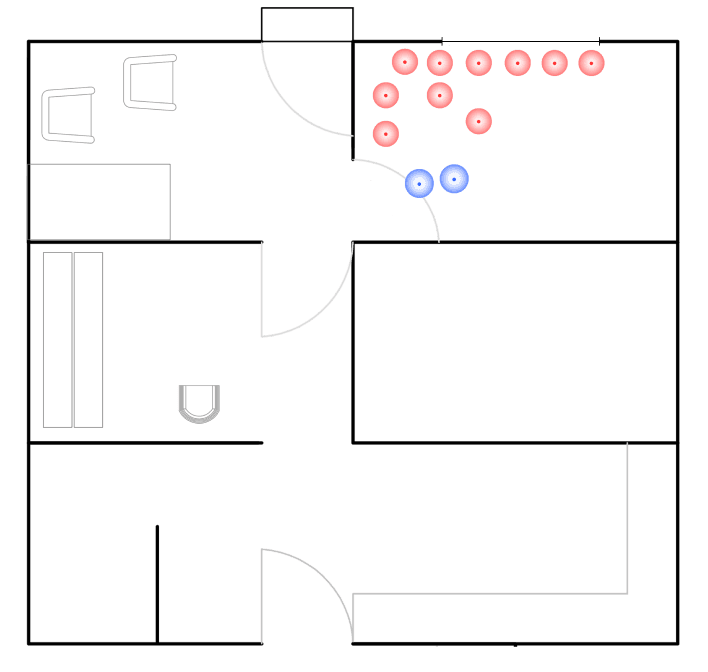

2:30 to 15:30
Evening snack,
and closing time

Staff

Kids

Parents

Neighbours
For kids, education is....
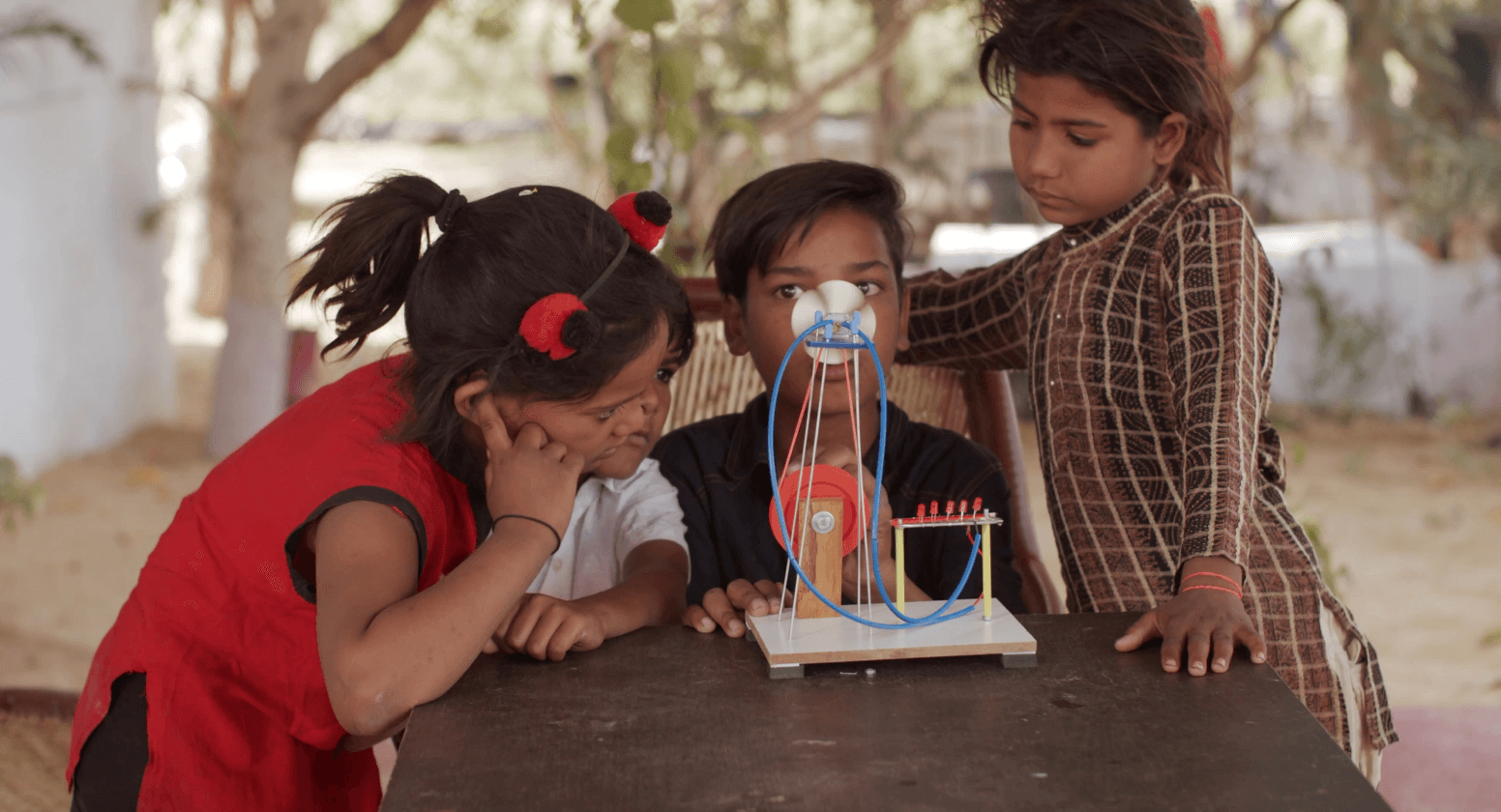

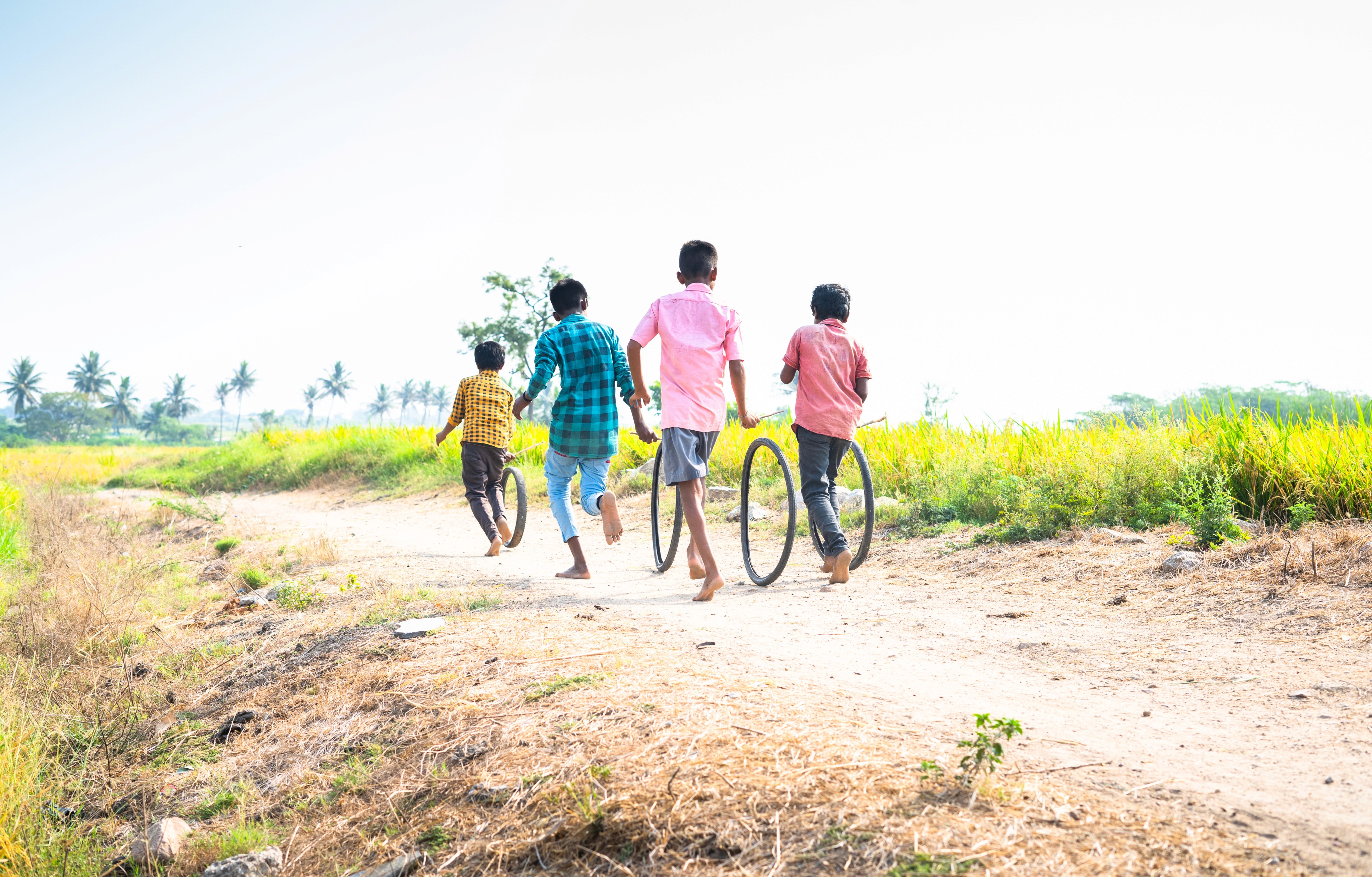
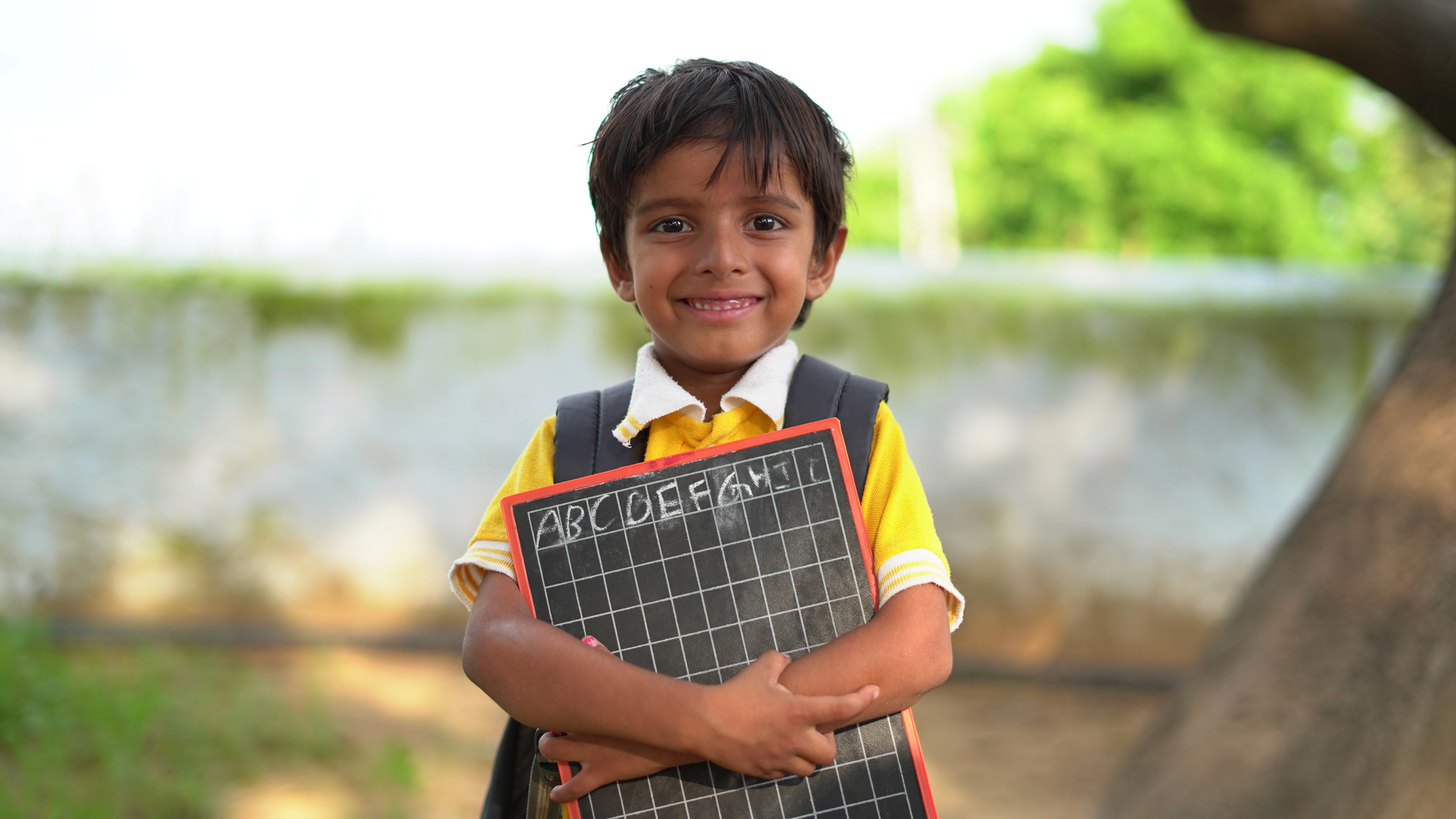

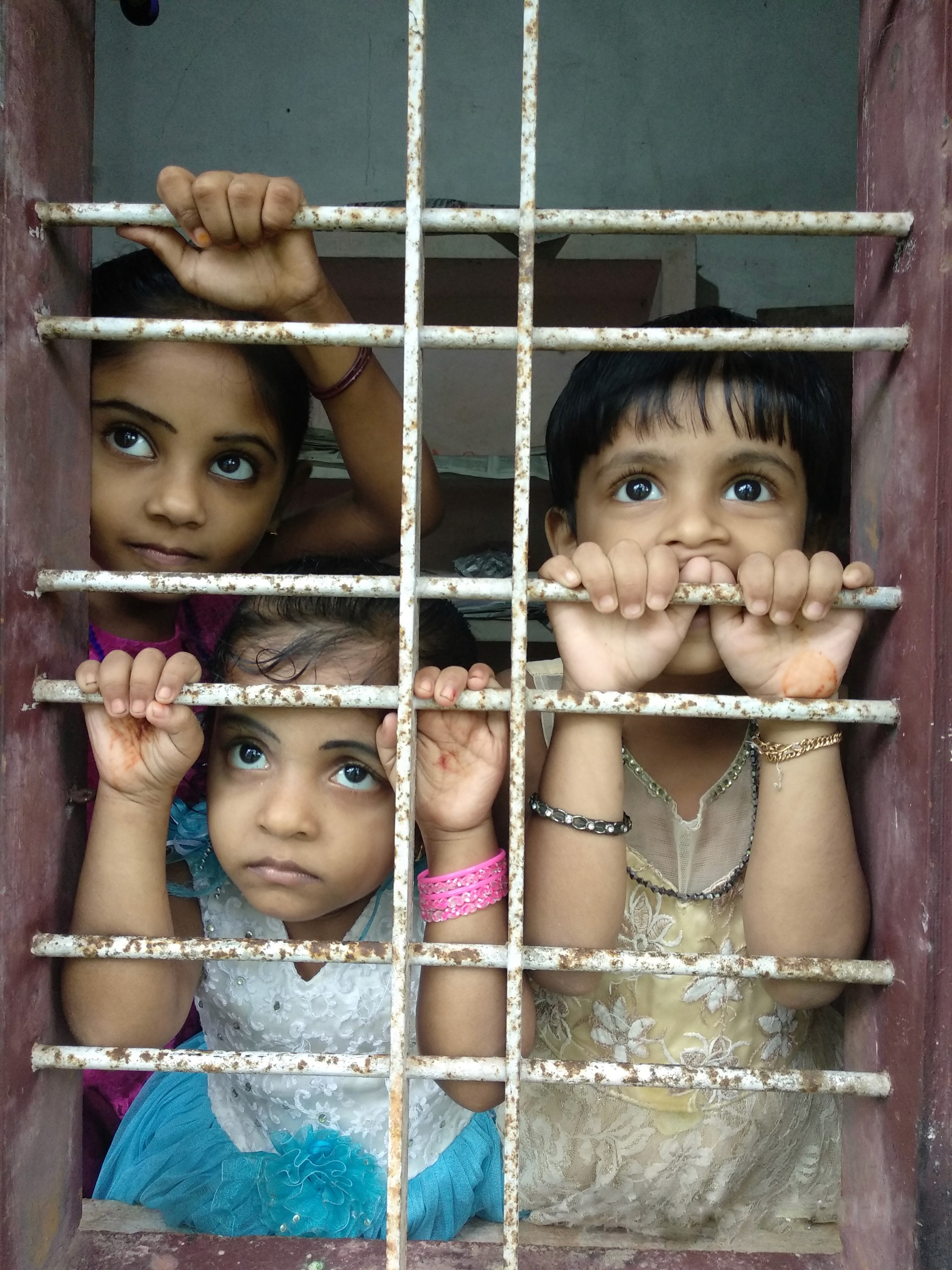
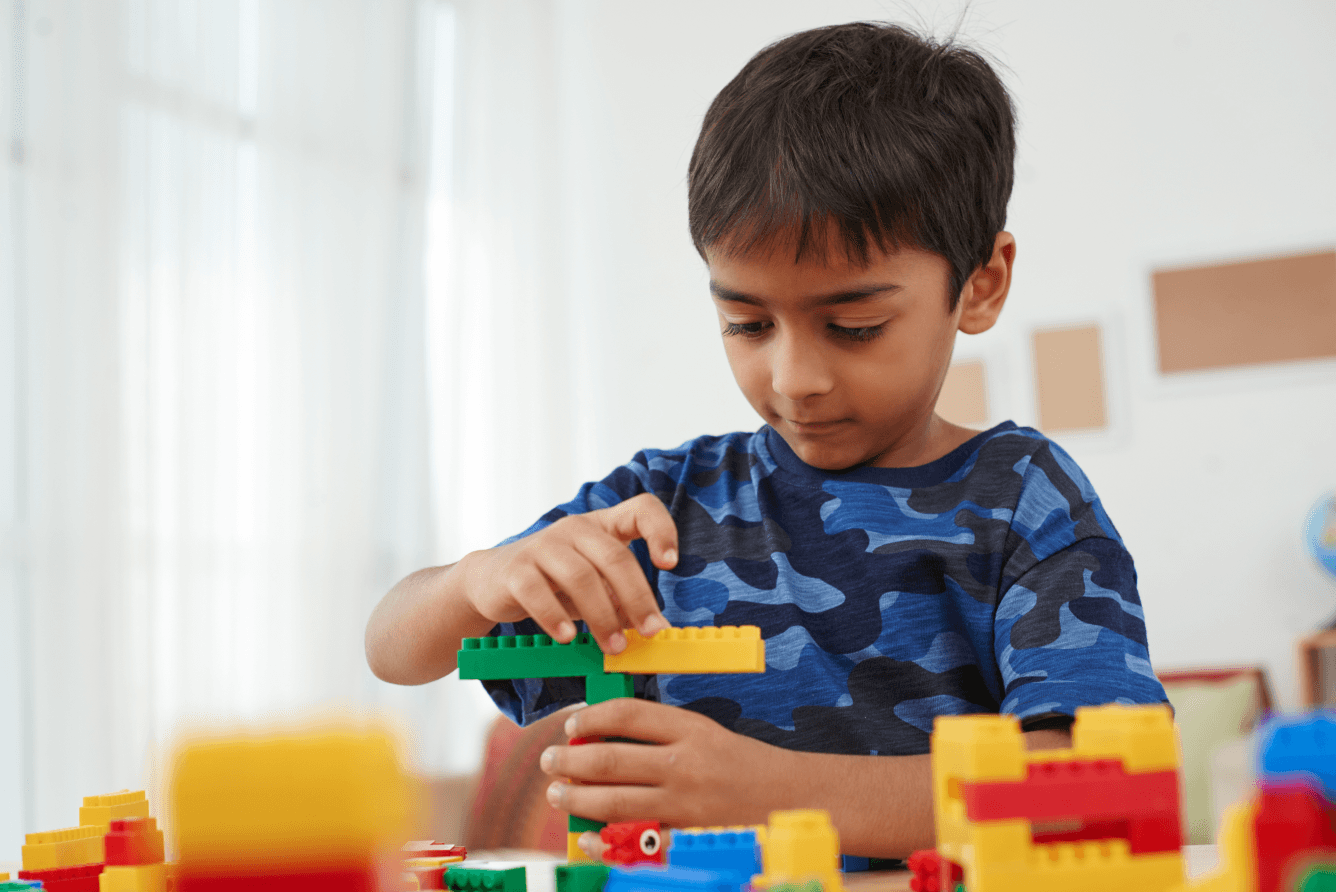
To Wonder
To Play
To Explore
To Liberate
To Wander
To Dream
To Be Happy
To Work Together
Key words and their concepts
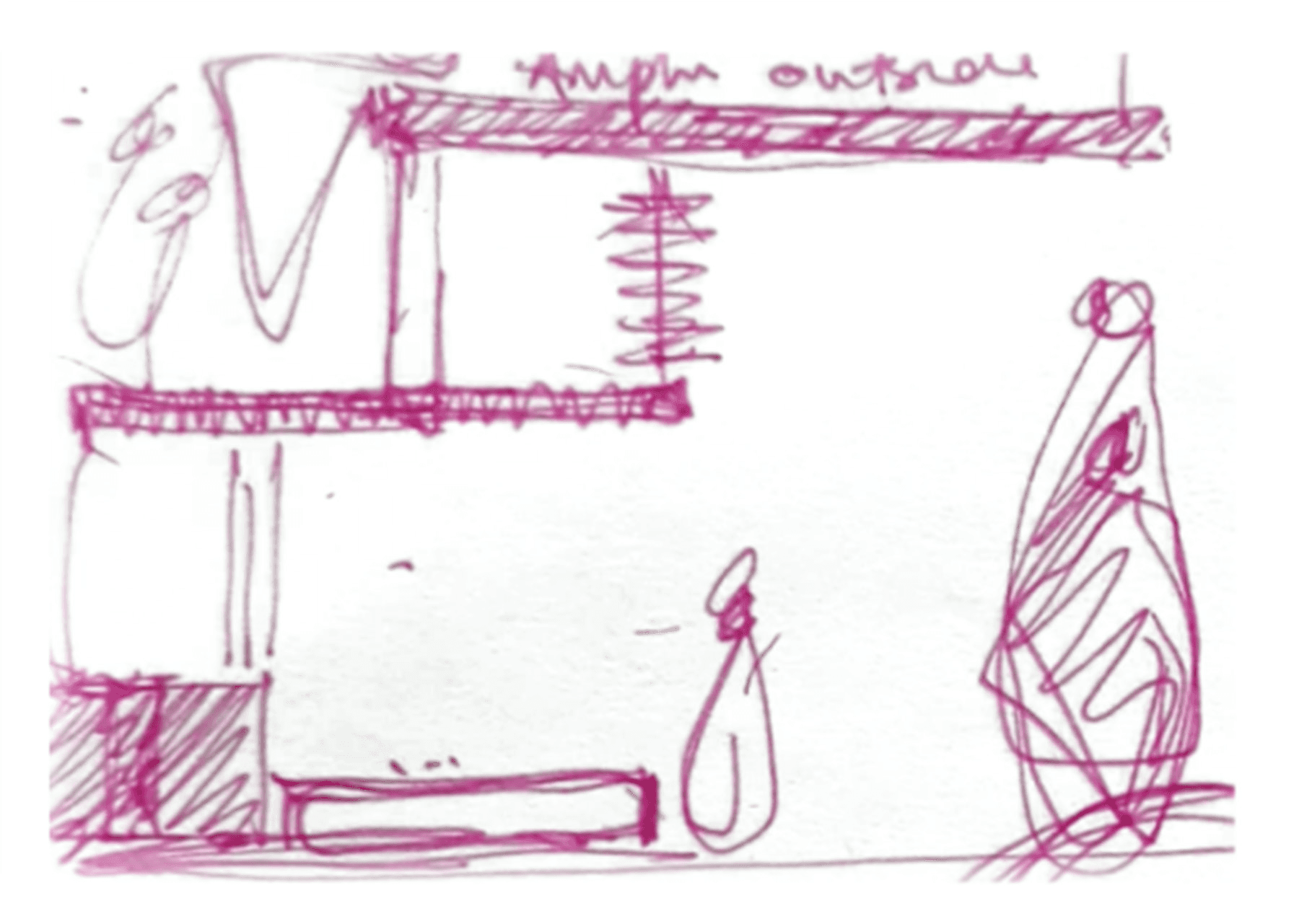
To Play, to Liberate
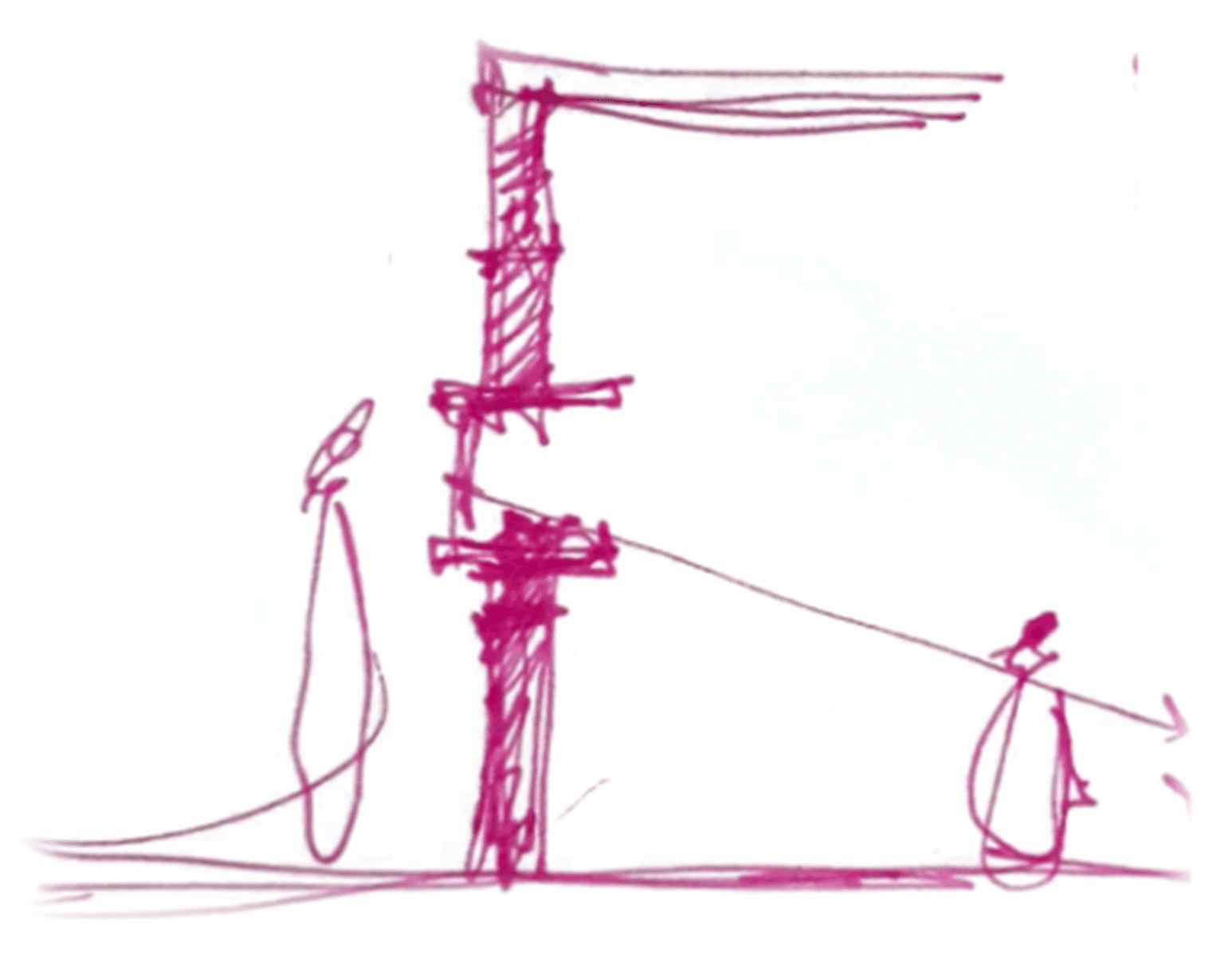
To be Curious, to be Supervised
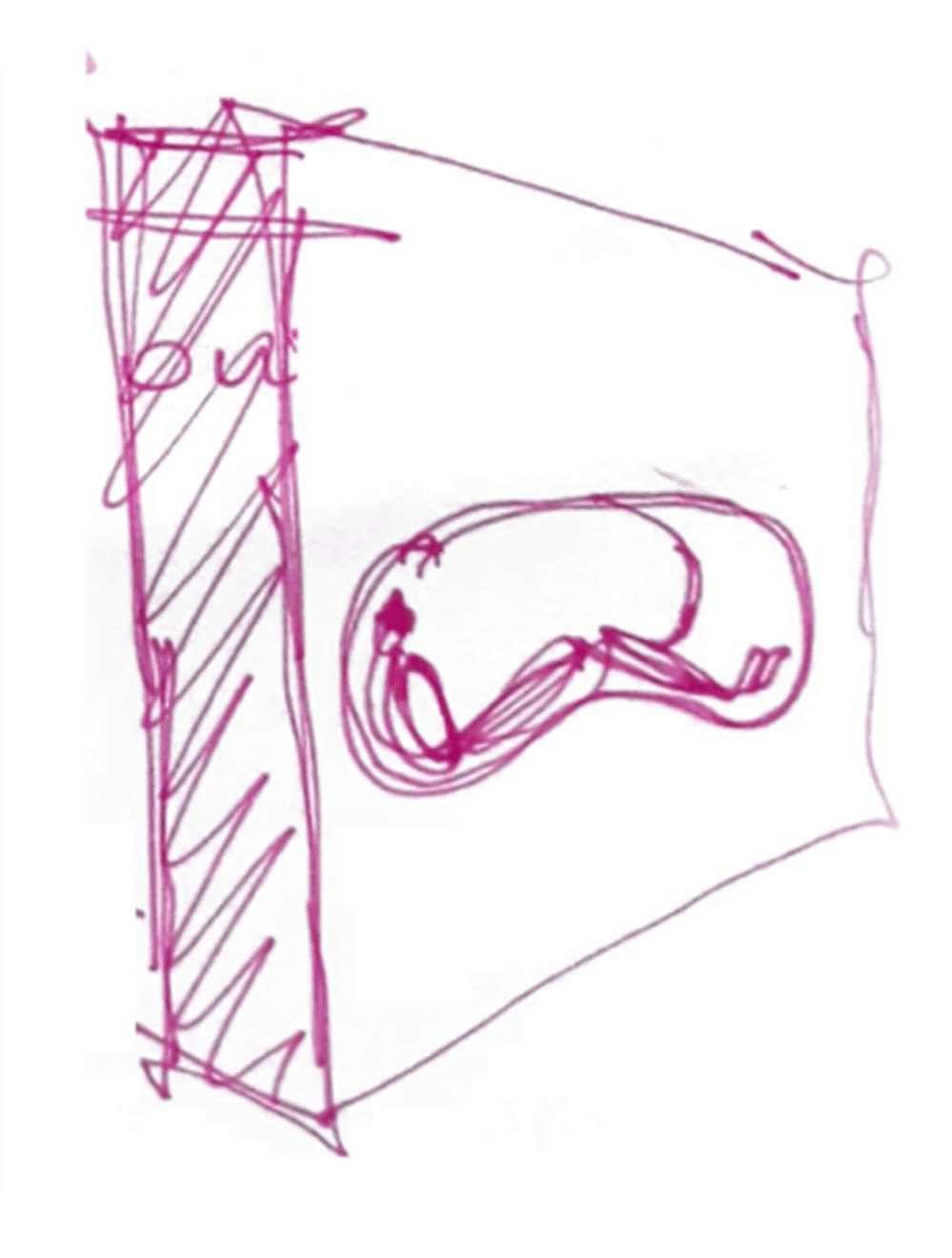
To wonder, to Learn. to Play
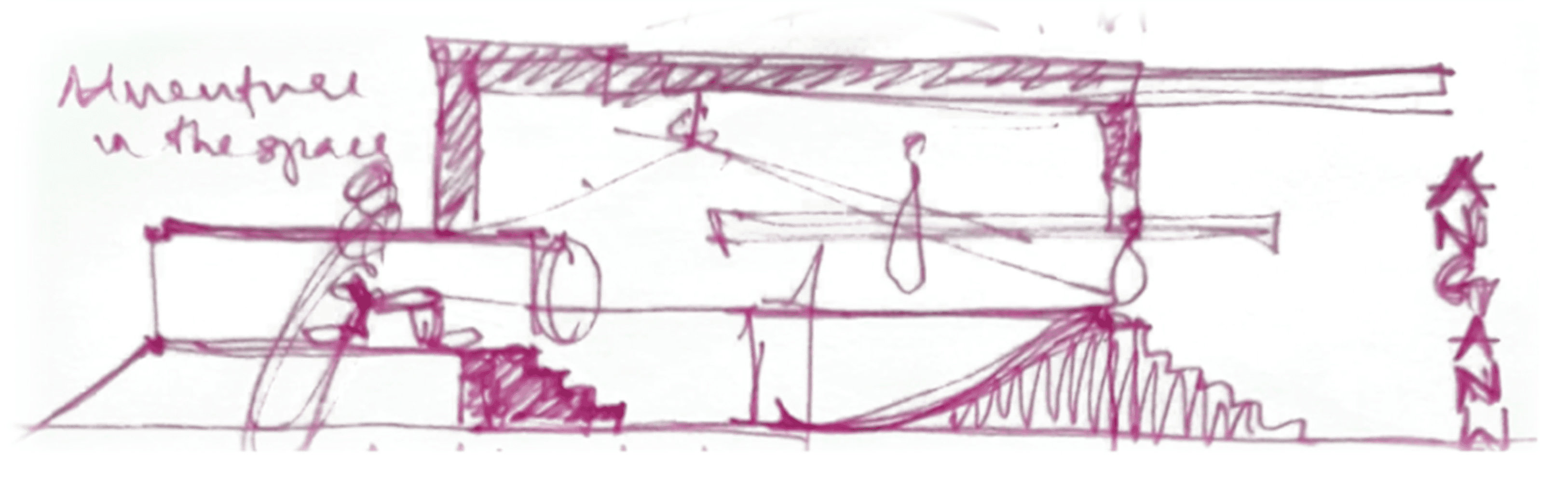
To Play, to Run Around, to Explore
The Design
8
7
6
5
4
3
2
1
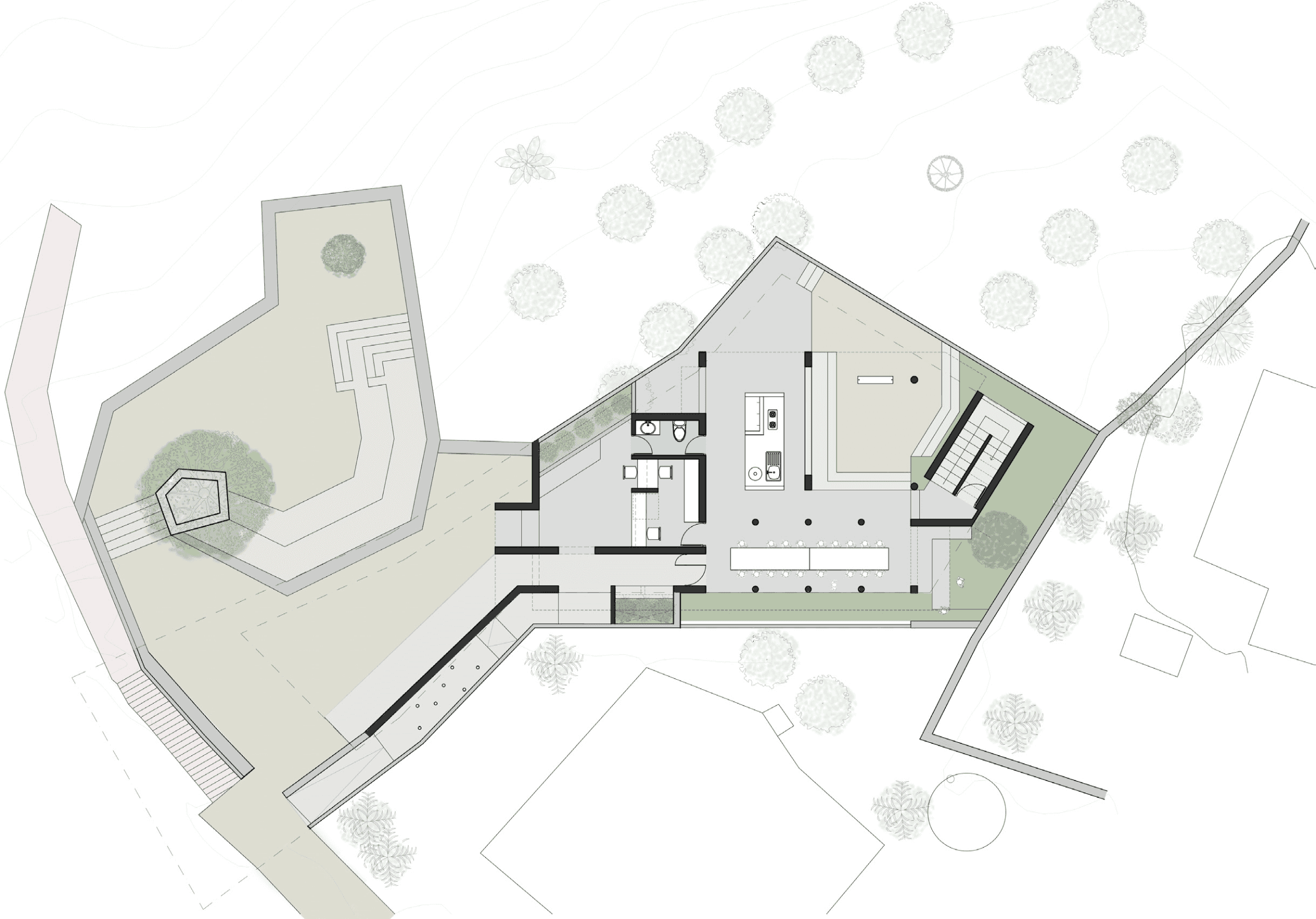
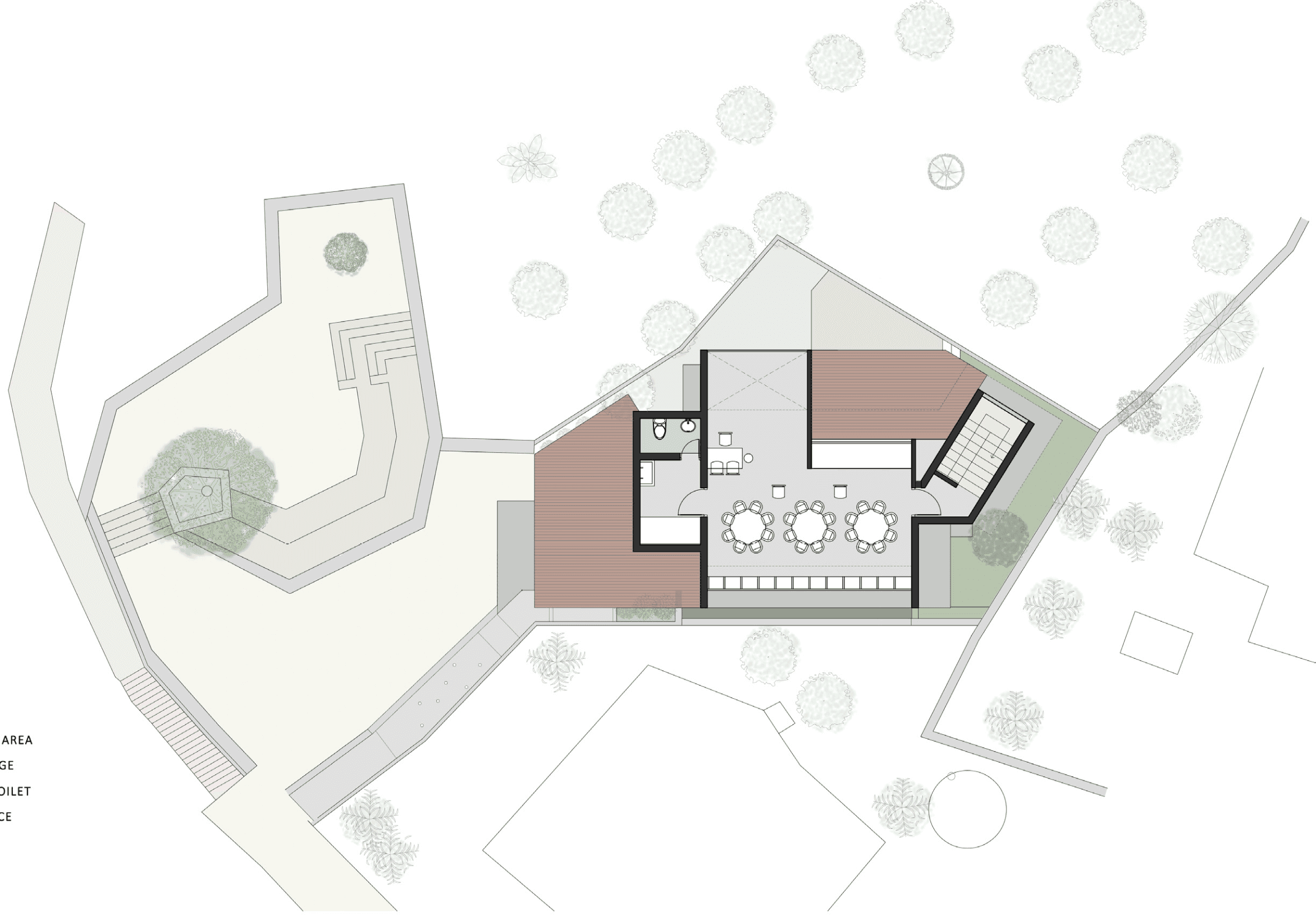
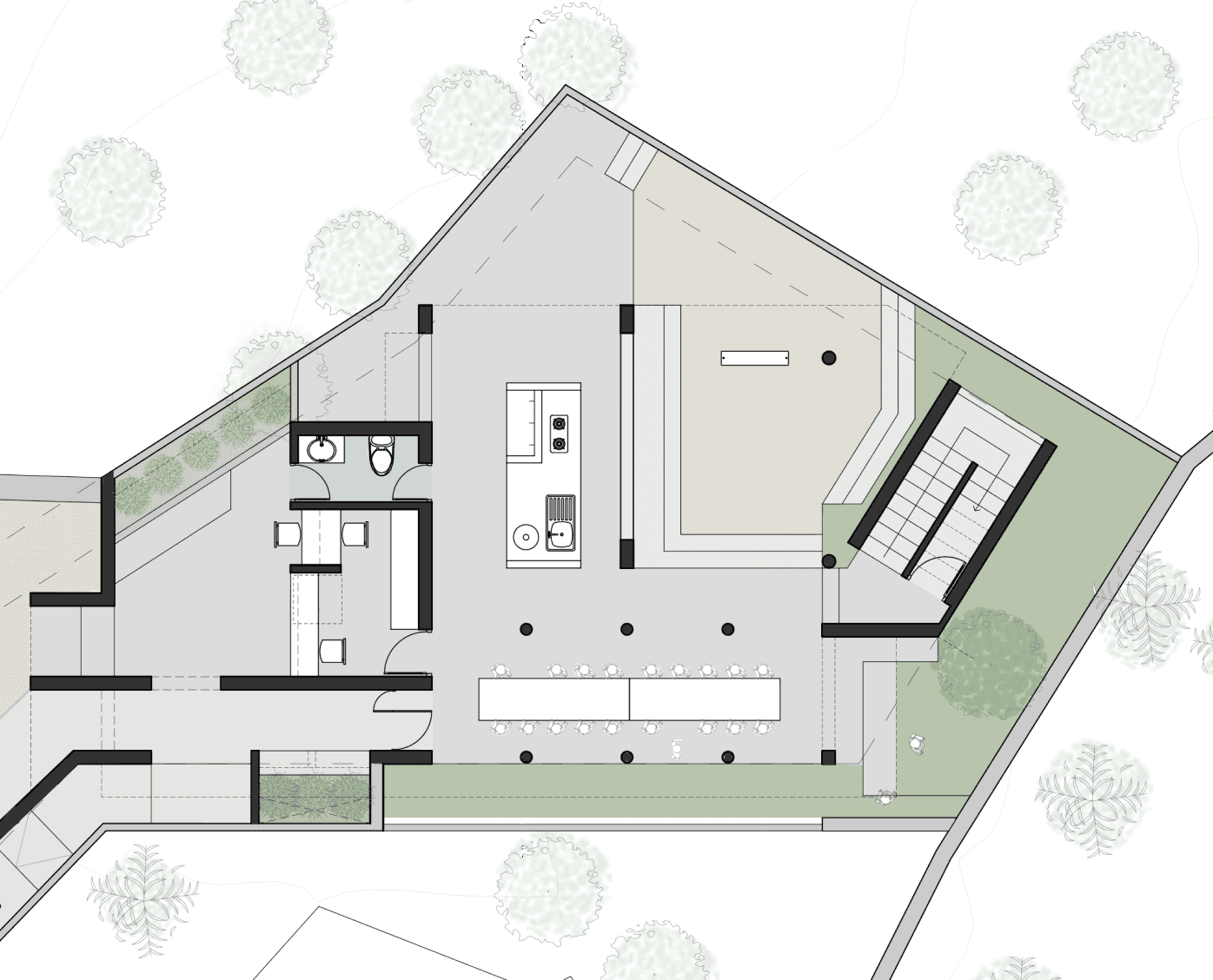
Ground Floor Plan
N
Entrance Foyer
Welfare Scheme Waiting area
Welfare scheme Delivery room
Kitchen
Dining and Learning space
Semi-covered play area
Sit-out space
Community Amphitheatre
1
4
2
3
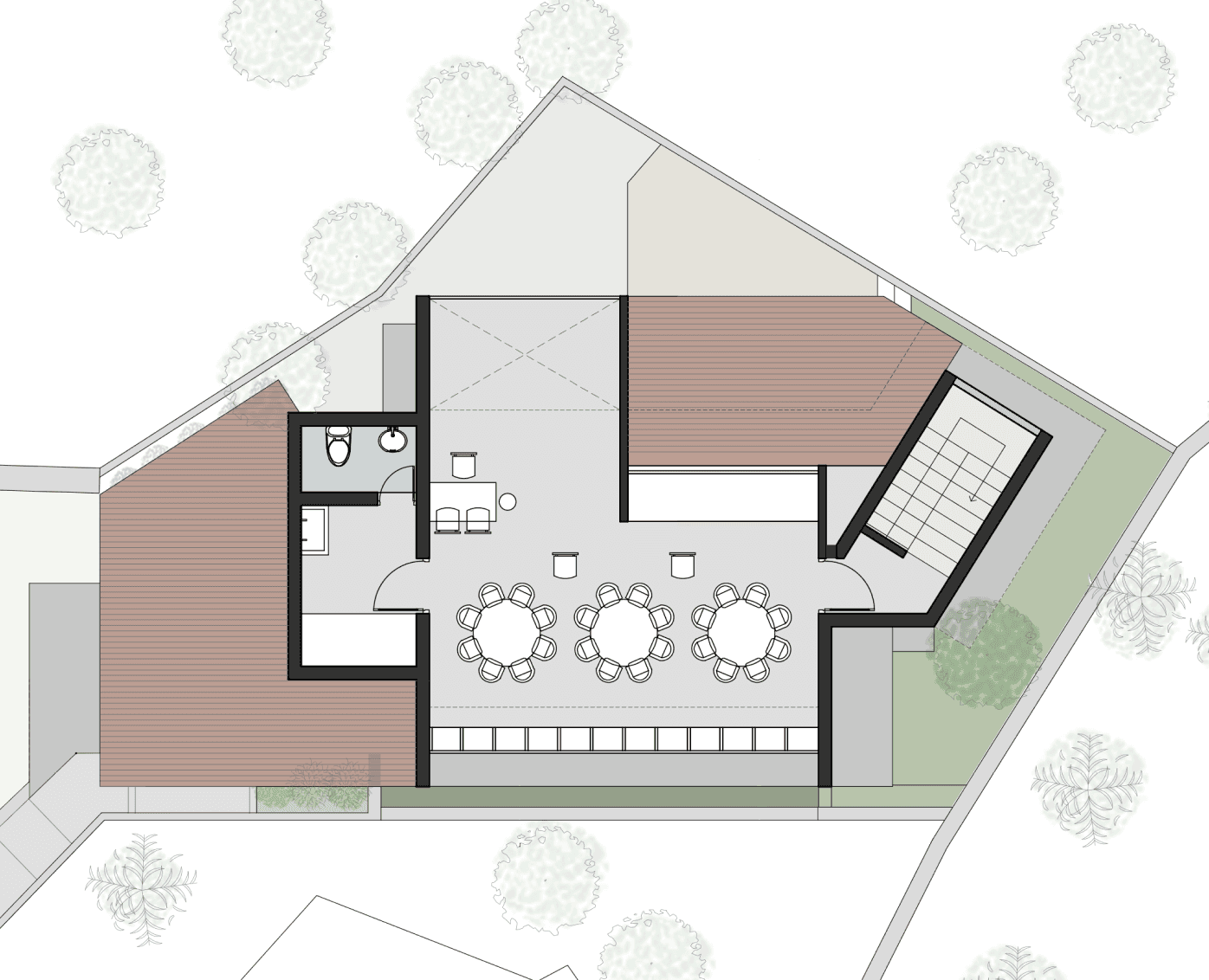
First Floor Plan
N
Learning Space
Bay Window
Storage
Terrace
C
A
B
A. To play and to be close to nature
B. Promote discipline and independency
C. To liberate and to be close to nature
C
A
B
D
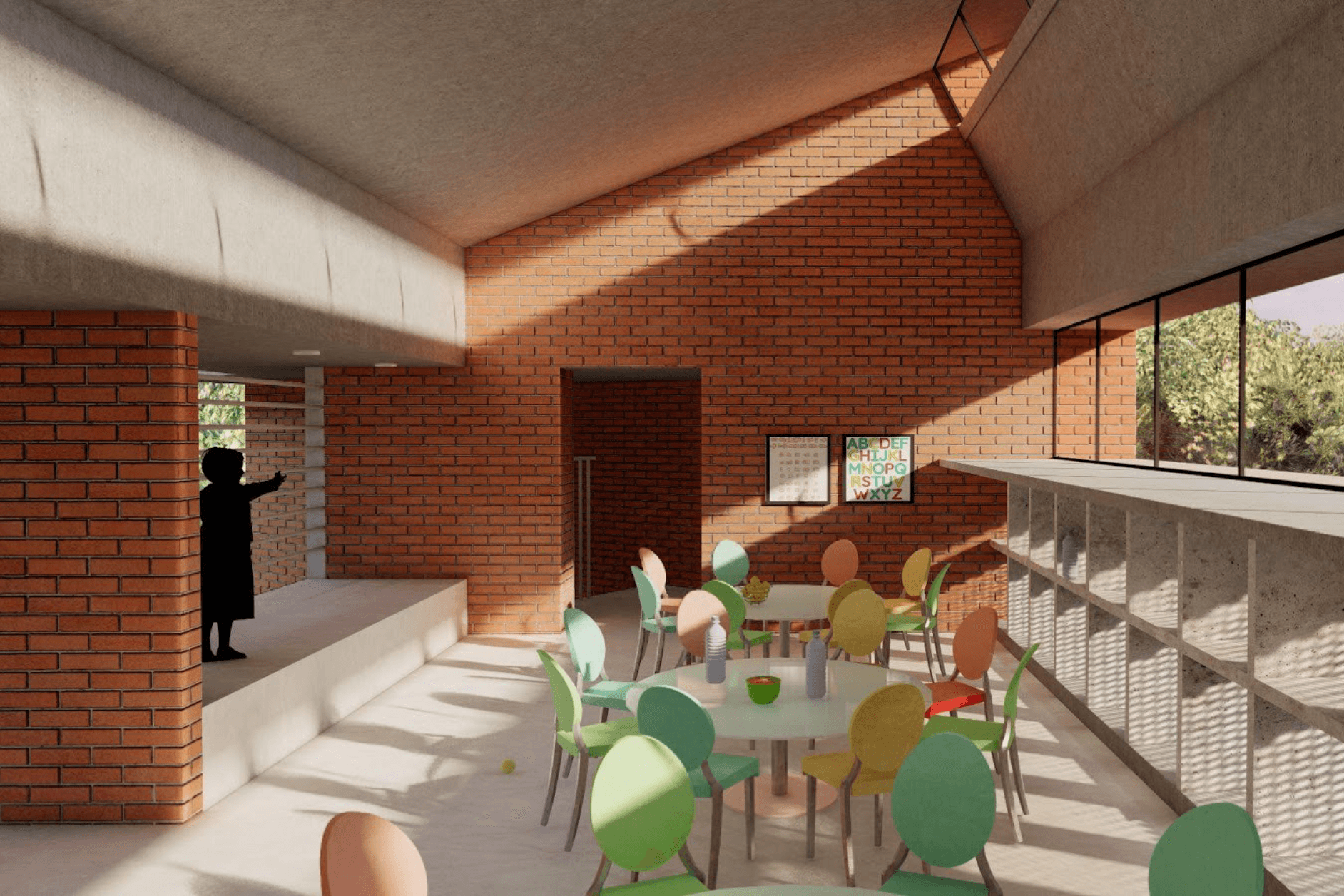
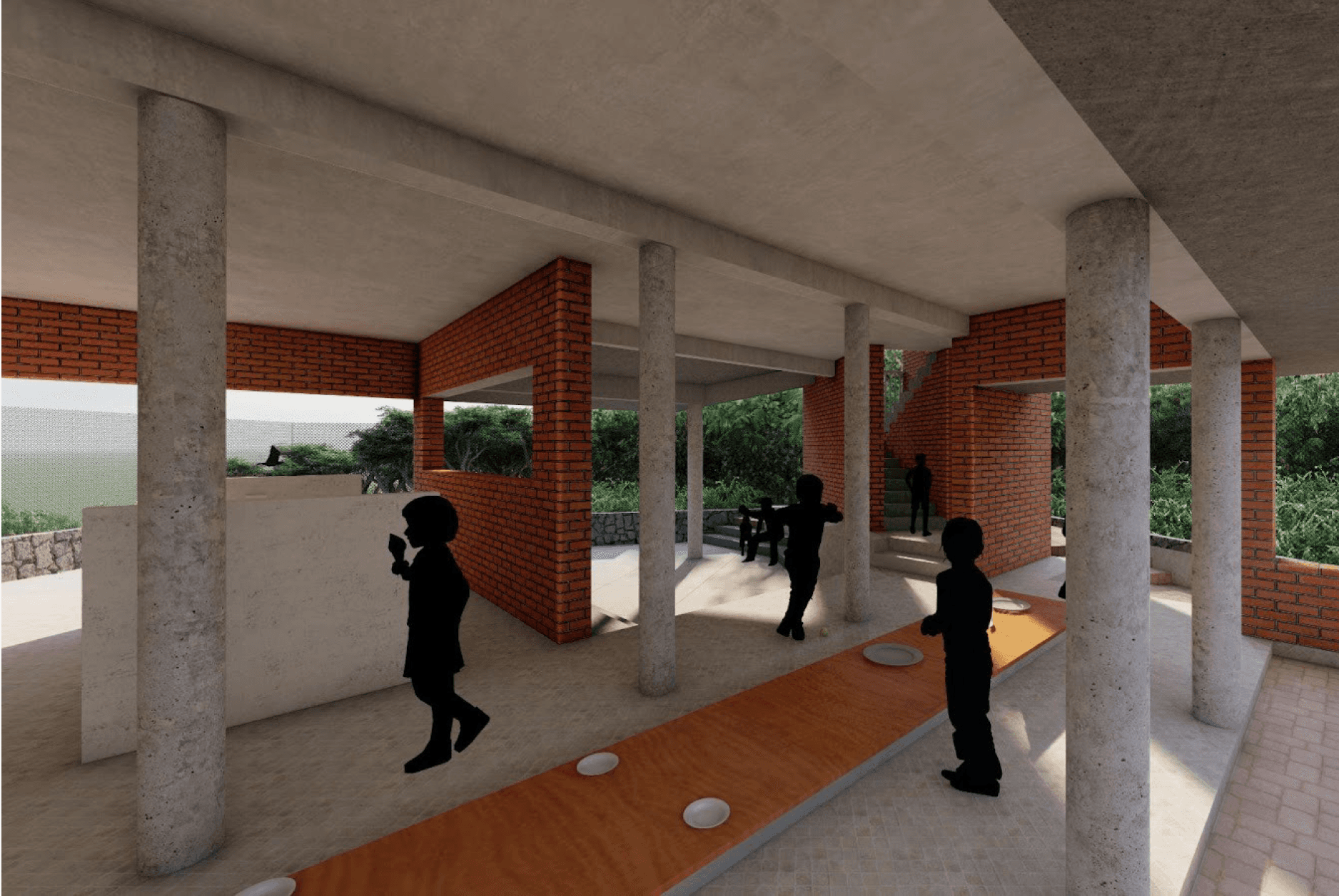
A. Angan (Court), to learn and to play
B. Intimate semi open space, to learn and to comfort
C. Open Kitchen, to empathise with the helper
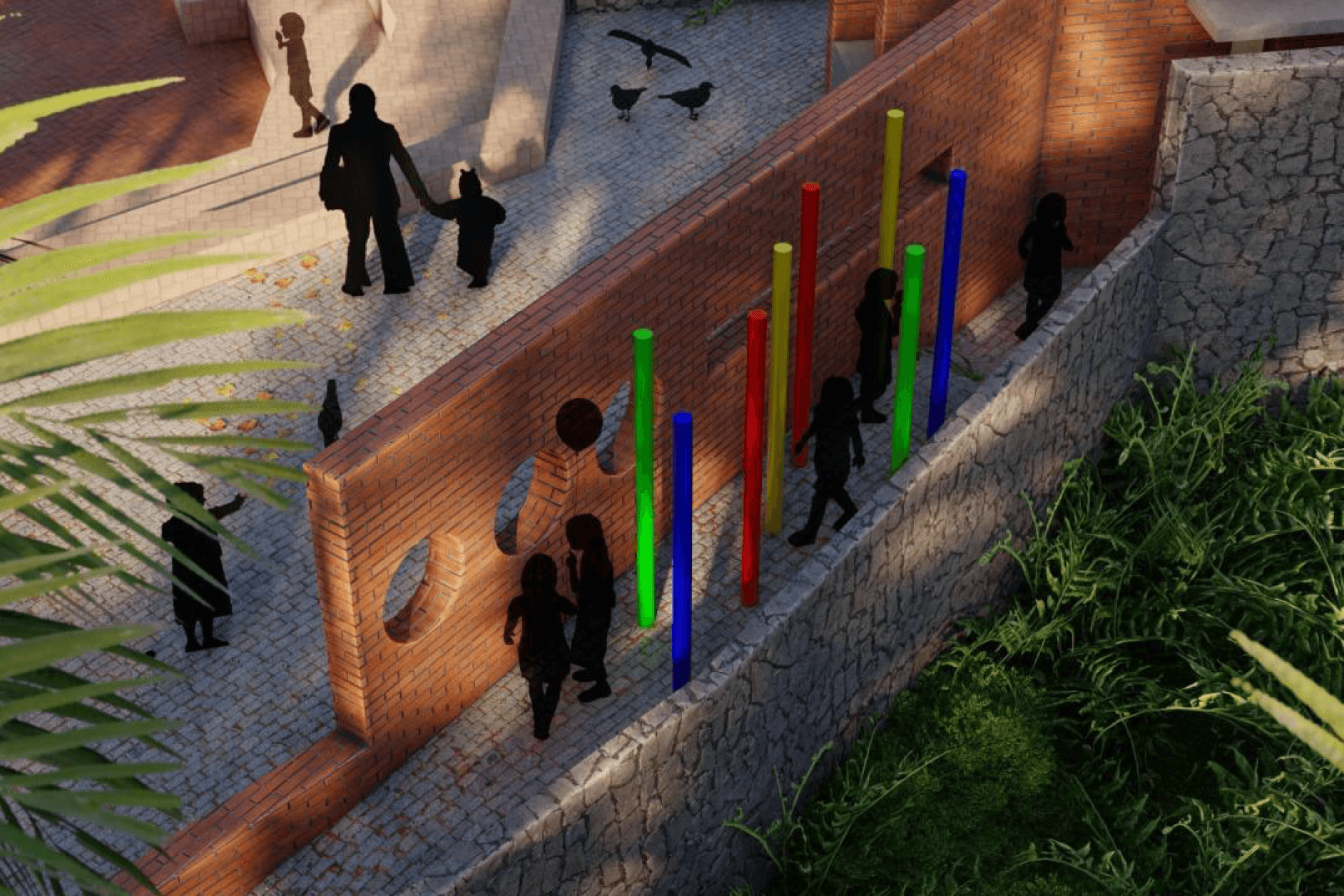
D. Shoe Rack, promote discipline and independency
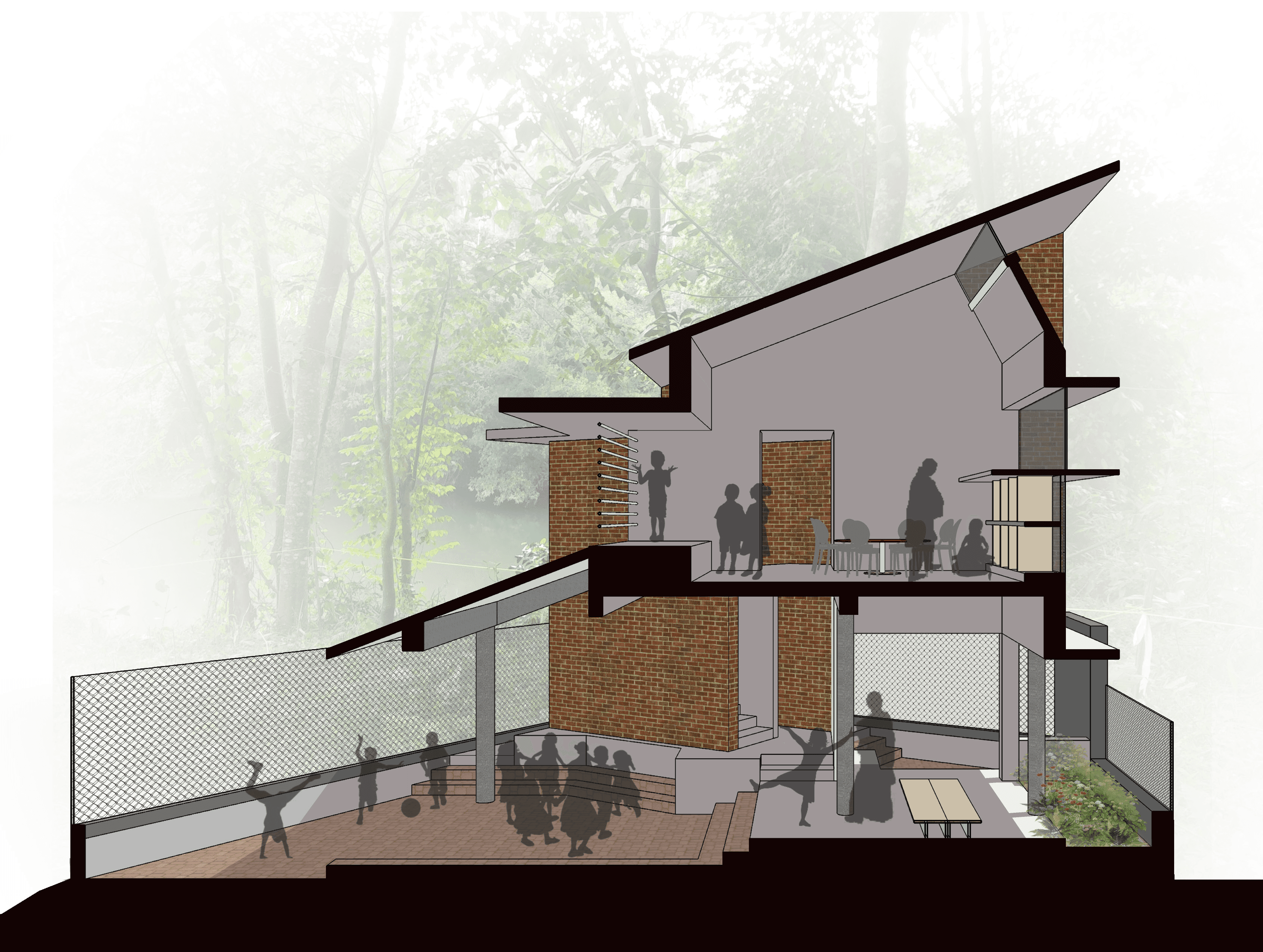
River View Bay Window
To play, to liberate and to be close to nature
Angan (Court)
to learn and to play
Personal bag shelves
Be disciplined and independent
Dining and Learning space
Anganwadi as a flexible space
Click to know more about the project
Learnings
By asking several questions and addressing the most appropriate ones we were able to generate ideas, concepts and take design decisions that lead to grounded yet impactful design solutions.
It is necessary to empathize with all the users. This will lead to spaces and details that are particularly designed for positively impacting users’ day-to-day experiences.
Collective brainstorming and collective scrutiny helped in bringing efficiency to the design, by generating better ideas and by bringing newer perspectives during different stages of the design.
Ideas are scalable. A design brief was prepared from the research and the study of existing Anganwadi’s functioning. This brief can be applied to various anganwadi’s across the nation. Although the design would vary based on site and the context, the central ideas would remain constant.
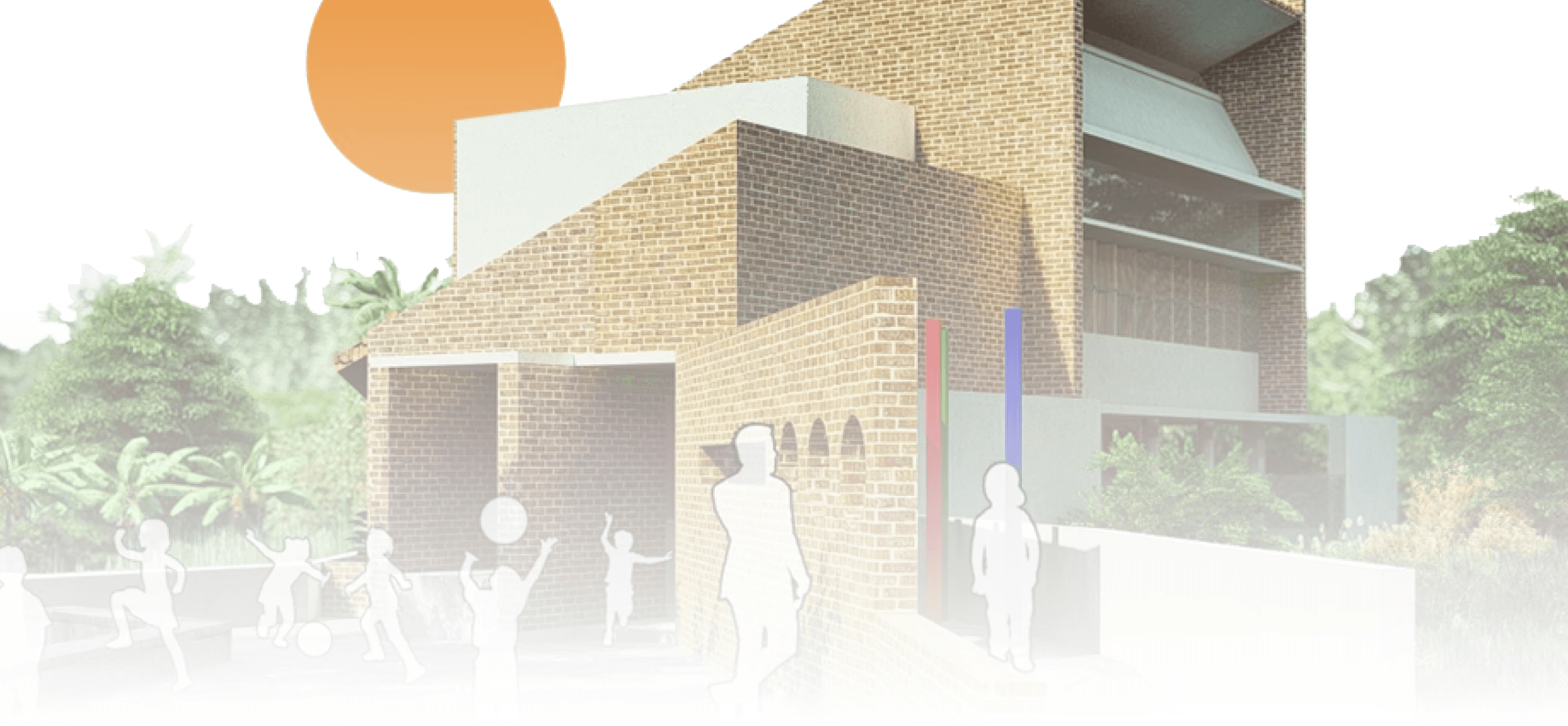
Anganwadi
Anganwadi (Kindergarten) is an Indian Government program for tackling malnutrition in kids from ages 3-6 and providing them early education. These spaces are also used to deliver welfare schemes to underprivileged communities
Brief
Designing an anganwadi (kindergarten) in Kerala, Inida for 20-25 kids with an office space for delivering government schemes for the community.
Anganwadi Site
India
Kerala
Section through the Site
Neighboring
House
Neighboring
House
Site
285 Sq.mt.
River
Existing
Anganwadi
Site Plan
N
Site is located in a small town in Northern Kerala, India on the banks of a river. There are a lot of trees in and around the site. There are small to medium houses surrounding the site and the kids mostly come from houses located 1-2 kms away from the site
Existing Anganwadi activity mapping
Anganwadi Operating Hours
9:30 AM
3:30 PM
10:00 to 10:30
Prayer and Conversations
10:45 to 12:15
Learning and Playing
In-between sessions
12:30 to 2:15
Lunch and nap time
2:30 to 15:30
Evening snack,
and closing time
Staff
Kids
Parents
Neighbours
For kids, education is....


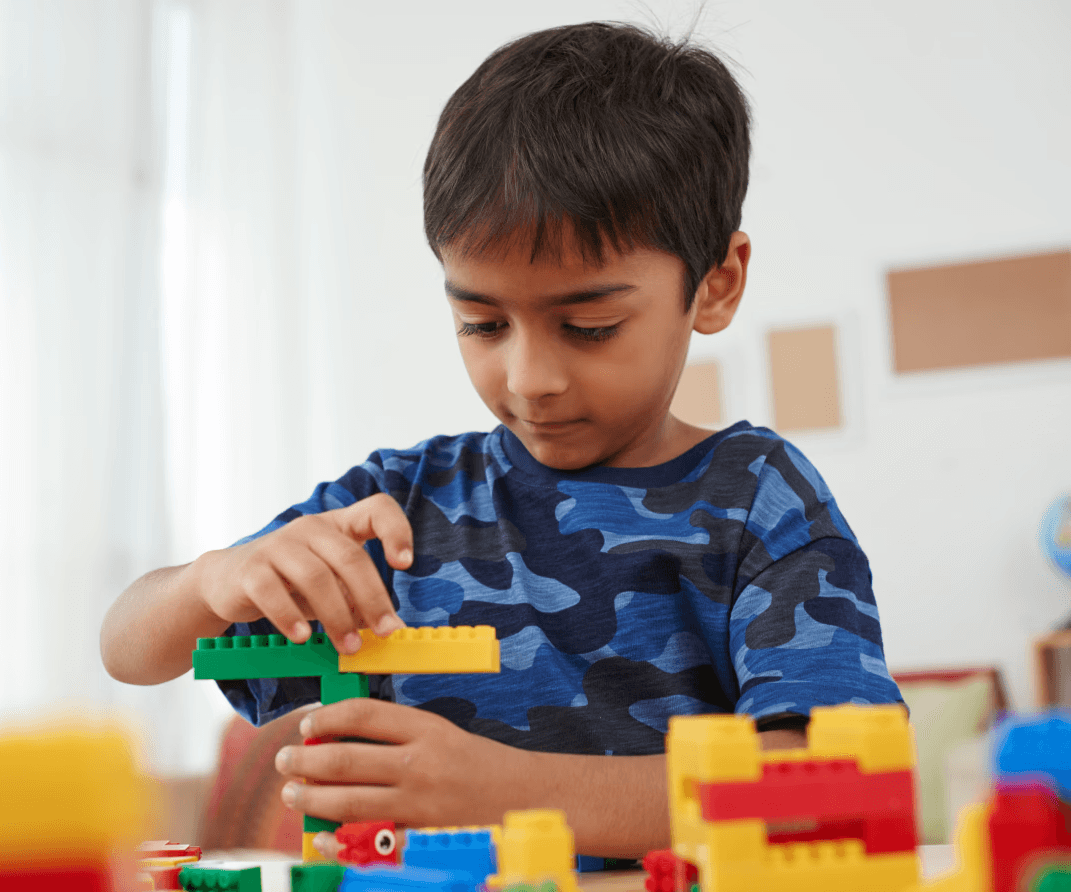
To Liberate
To Wonder
To Play
To Wander
To Dream
To Be Happy
To Work Together
To Explore
Key words and their concepts
To Play, to Liberate
To be Curious, to be Supervised
To wonder, to Learn. to Play
To Play, to Run Around, to Explore
The Design
8
7
6
5
4
3
2
1
Ground Floor Plan
N
Entrance Foyer
Welfare Scheme Waiting area
Welfare scheme Delivery room
Kitchen
Dining and Learning space
Semi-covered play area
Sit-out space
Community Amphitheatre
1
1
4
2
3
First Floor Plan
N
Learning Space
Bay Window
Storage
Terrace
C
A
B
C
A
B
A. To play and to be close to nature
B. Promote discipline and independency
C. To liberate and to be close to nature
C
A
B
D
C
A
B
D
A. Angan (Court), to learn and to play
B. Intimate semi open space, to learn and to comfort
C. Open Kitchen, to empathise with the helper
D. Shoe Rack, promote discipline and independency
Angan (Court)
to learn and to play
River View Bay Window
To play, to liberate and to be close to nature
Angan (Court)
to learn and to play
River View Bay Window
To play, to liberate and to be close to nature
Personal bag shelves
Be disciplined and independent
Dining and Learning space
Anganwadi as a flexible space
Click to know more about the project
Learnings
By asking several questions and addressing the most appropriate ones we were able to generate ideas, concepts and take design decisions that lead to grounded yet impactful design solutions.
It is necessary to empathize with all the users. This will lead to spaces and details that are particularly designed for positively impacting users’ day-to-day experiences.
Collective brainstorming and collective scrutiny helped in bringing efficiency to the design, by generating better ideas and by bringing newer perspectives during different stages of the design.
Ideas are scalable. A design brief was prepared from the research and the study of existing Anganwadi’s functioning. This brief can be applied to various anganwadi’s across the nation. Although the design would vary based on site and the context, the central ideas would remain constant.