
01 / Personnel Ecosytem
Research, Strategy & System Design, and Social Innovation
OneSight EssilorLuxottica Foundation
POLI.design 2025
Brief
Selecting one of the SPECS (Service, Personnel, Education, Cost & Surveillance) pillar, empathize with it and design implementable Pillar strategies by defining a set of tactical tools
My Role
Researching on existing parts of personnel ecosystem, conceptualizing elements of the Ecosystem, co-designing the system, AI image generation, co-creating a narrative for the Pitch, and team coordination
OneSight x SPECS
Foundation joined forces with WHO’s SPECS initiative in order to address refractive error, prevent myopia, and improve access to vision care worldwide, particularly in low-resource settings.
S
Survelliance
P
Personnel
E
Education
C
Cost
S
Surveillance
Elements of Personnel Ecosystem
1
Build capacity of personnel to provide refractive services.
2
Regulate & Increase the workforce that provide refractive services.
3
Foster innovation for screening and refraction.
4
Standardize training programs for refractive services.
Primary Health workers
3-12 months of training
Primary Health Assistant
< 3 months of training
Ophthalmology Nurse
1-4 years of training
Optometrist
4-7 years of training
Ophthalmologist
> 7 years of training
We realized that the only way to sustainably solve the problem of lack of personnel in rural communities for once and for all is to train community members to become vision care providers to their own community.
Head of Mission & President
OneSight EssilorLuxottica Foundation
- Anurag Hans
What.
Imagine a service ecosystem that
Screens communities for refractive errors
Turns local residents into trained eye-care providers
Arms them with business skills and next-gen tools
Sustainable & Scalable.
Where.
Population = 511,655 residents:
Thembisa, South africa
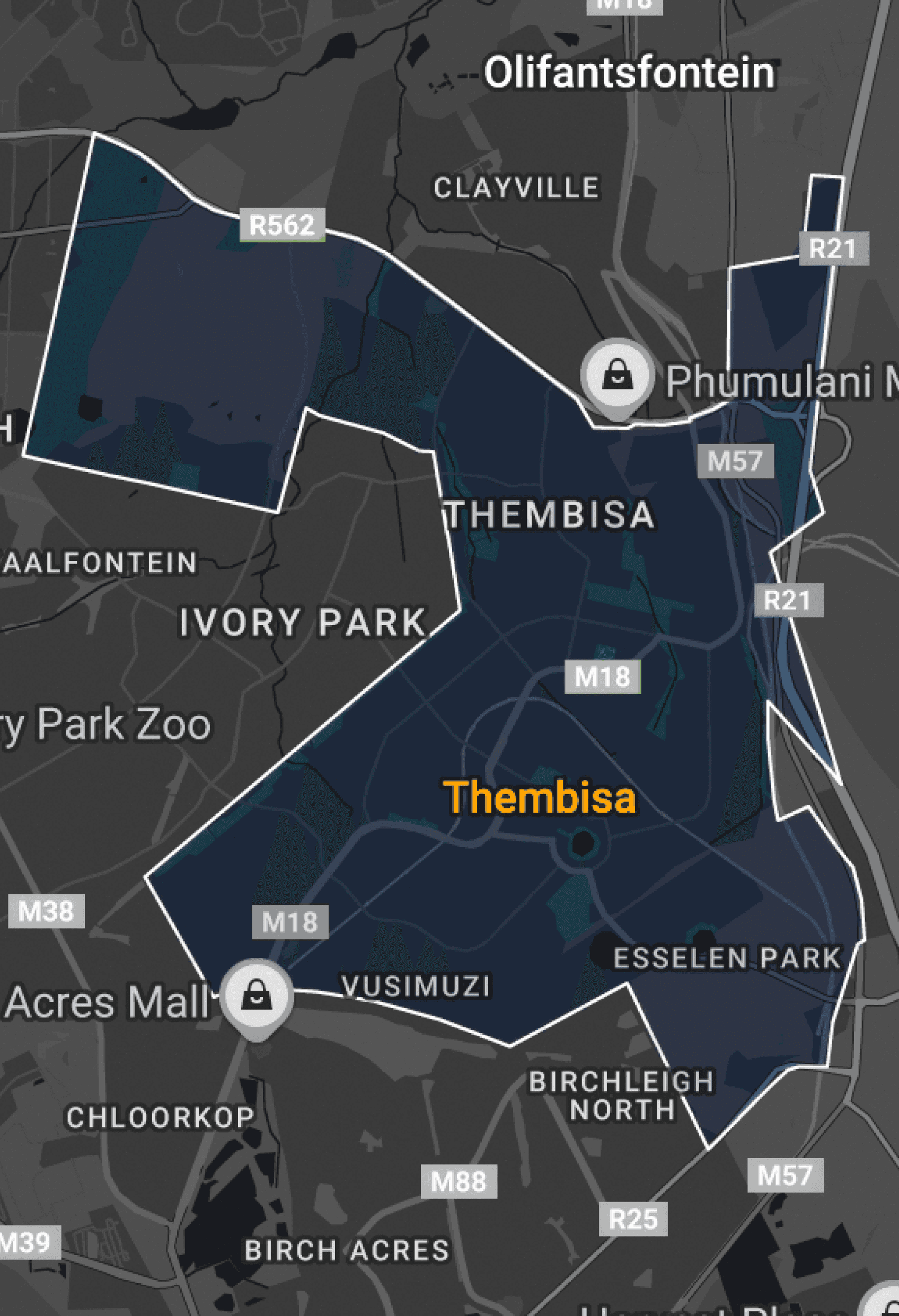
86%
uncorrected refractive error.
84%
rely on public health care.
93%
of optometrists in private sector ➜ Eye care workforce gap
High poverty and unemployment ➜ affordability barriers
Other Health Issues ➜ HIV, TB & rising chronic diseases (diabetes, hypertension)
Extending existing partnerships and creating new ones
Funding University Students
Partner with universities to use their facility and increase the number of eye care professionals in the region
Local Eye-Care Professionals
Extending and creating new partnerships with local health-care professionals to meet the
demand of health care workers
Eye Screening
Eye-care Training
Dis-chem & m-mama Foundation
Partnering with the foundations to leverage on their extensive reach in the country
Edge AI
Utilizing Edge AI to provide AI vision care optometry solution to lower connectivity and low skilled areas
Developing system based on existing initiatives and platform

Leonardo
EssilorLuxottica's innovative learning platform, features expert-curated content that can be tailored to learner needs.
Eye Rafiki, Kenya
The Eye Rafiki program provides training to unemployed or underemployed youth to become primary vision care providers known as Eye Rafiki Optical Technicians
Combining two tasks where one supports the other
How.
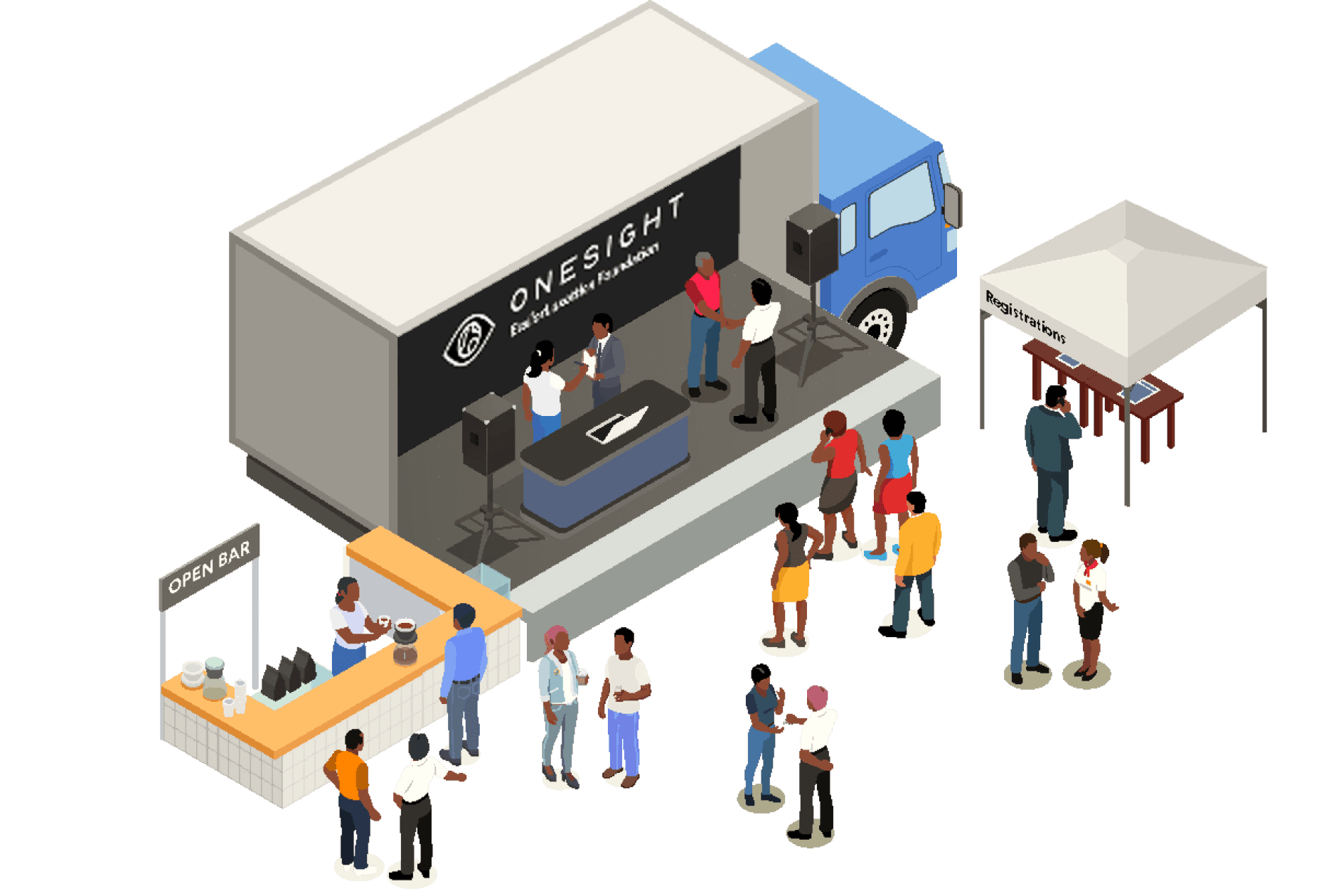
The System
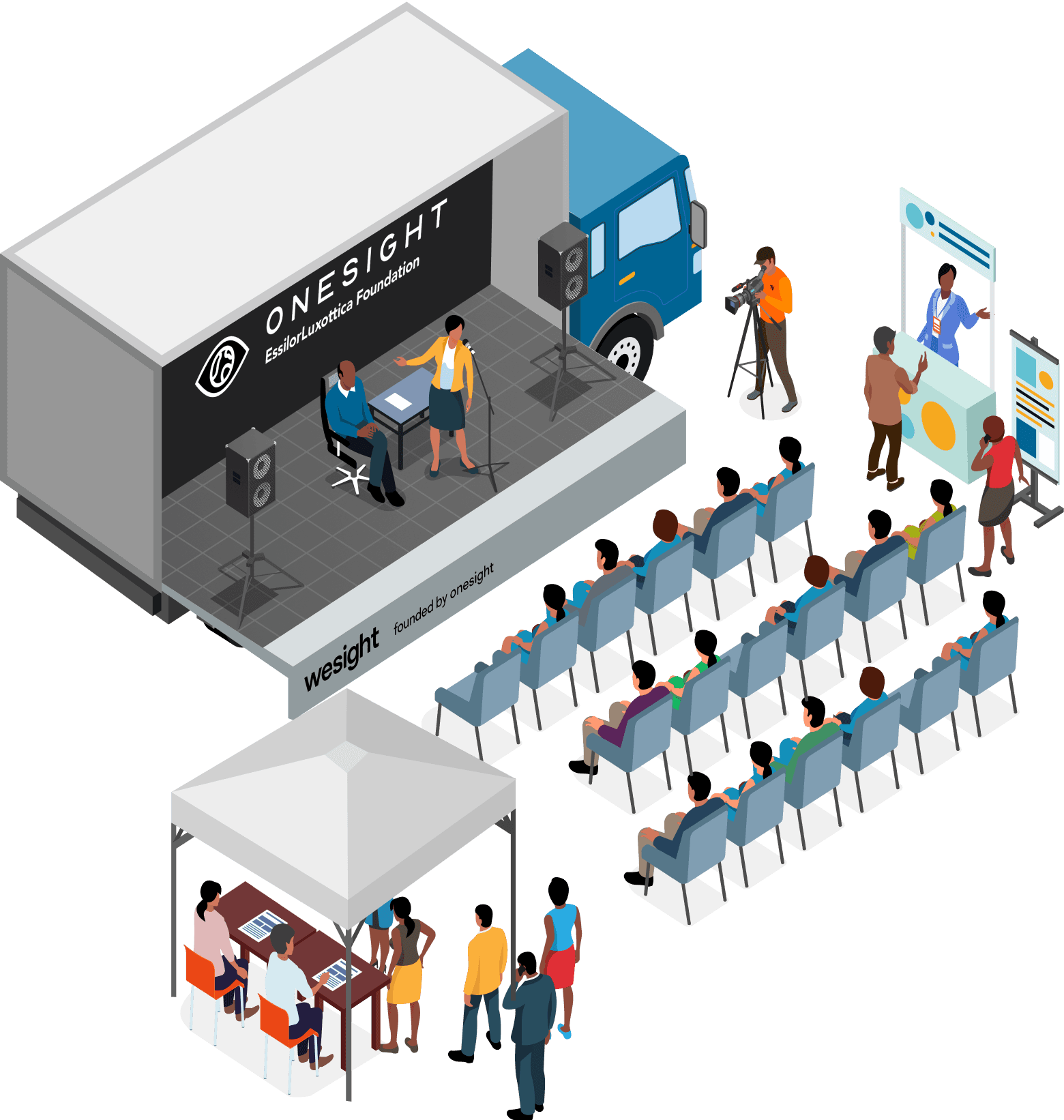
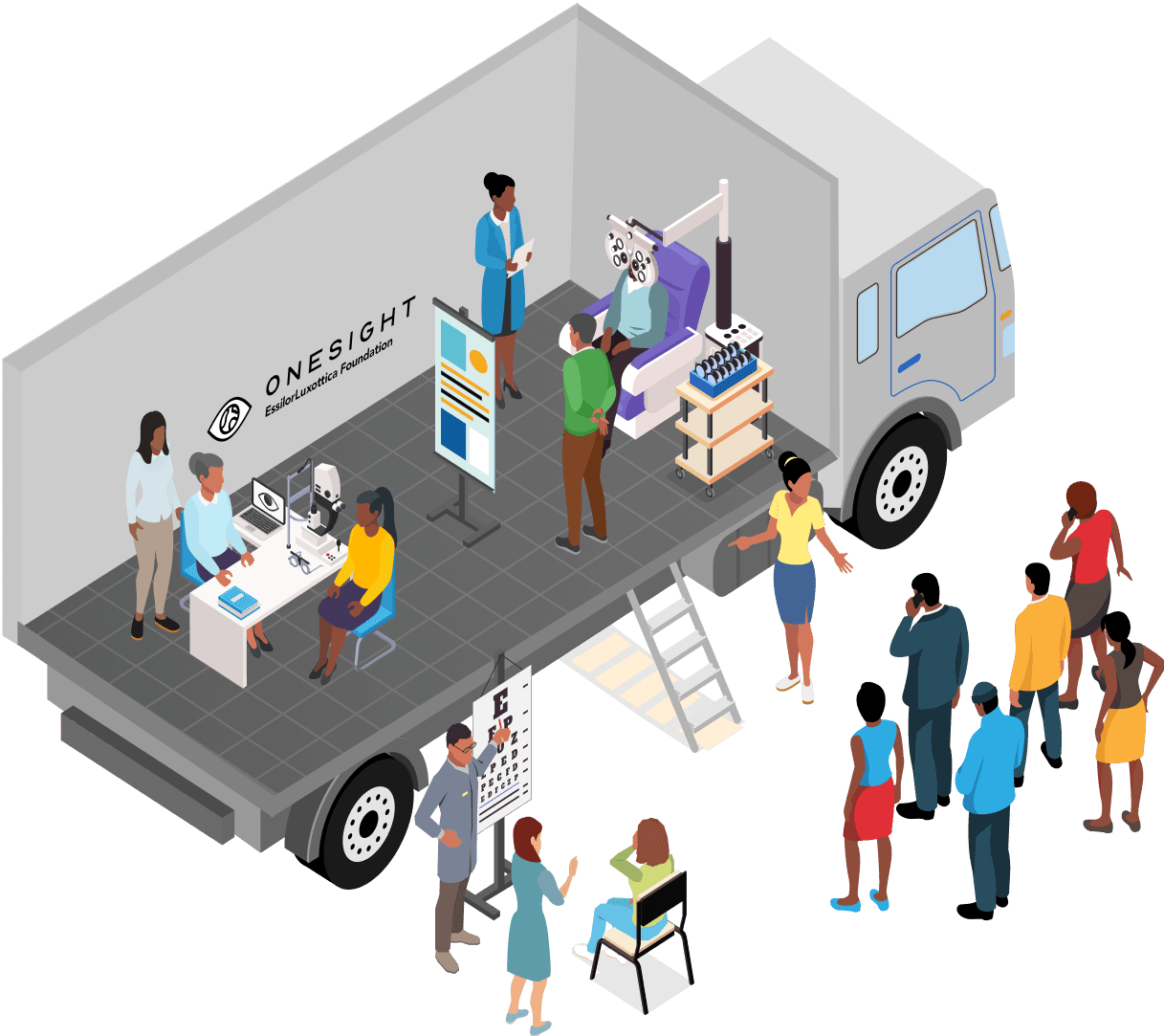
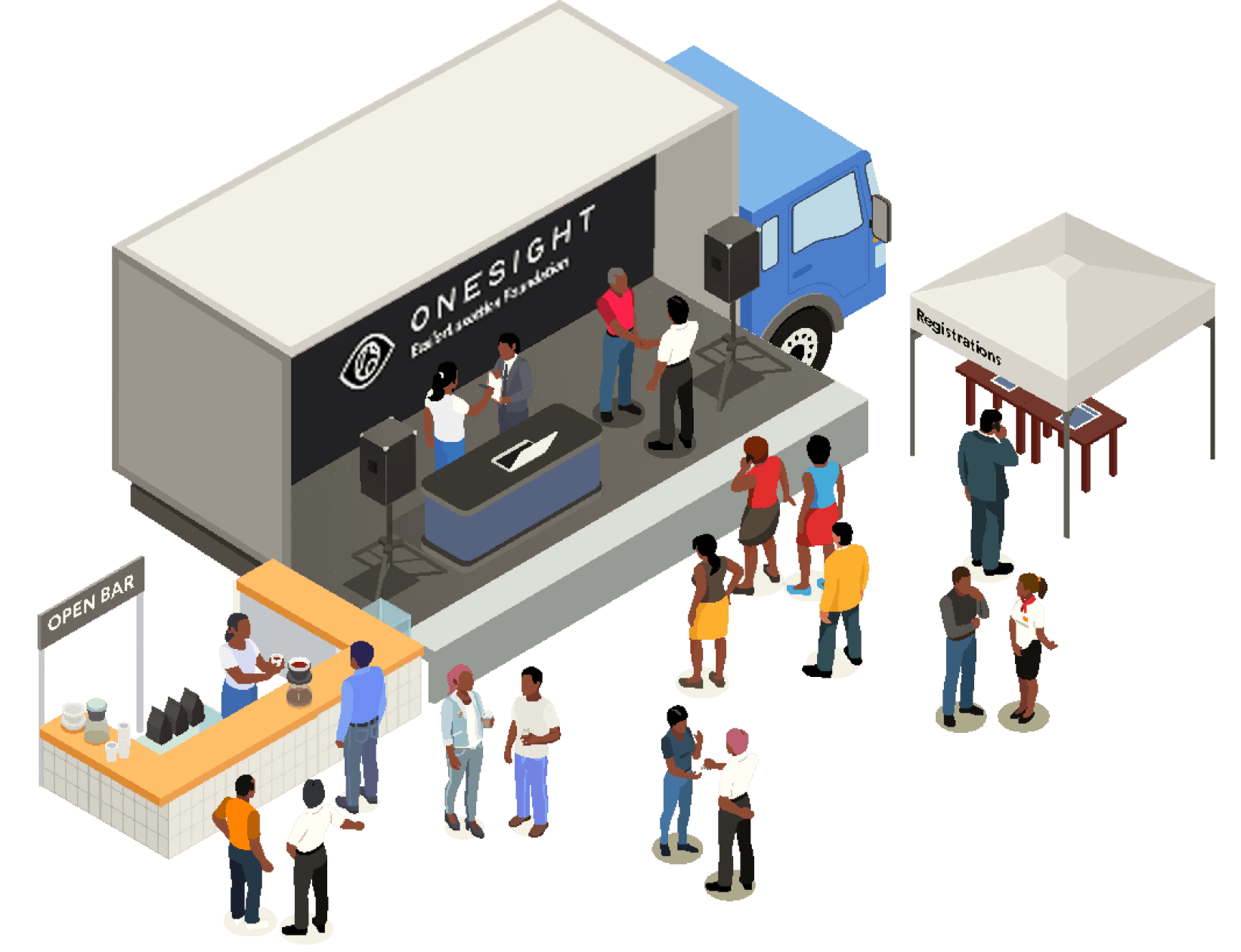
A twelve-month program constituted by eye care and eye care training
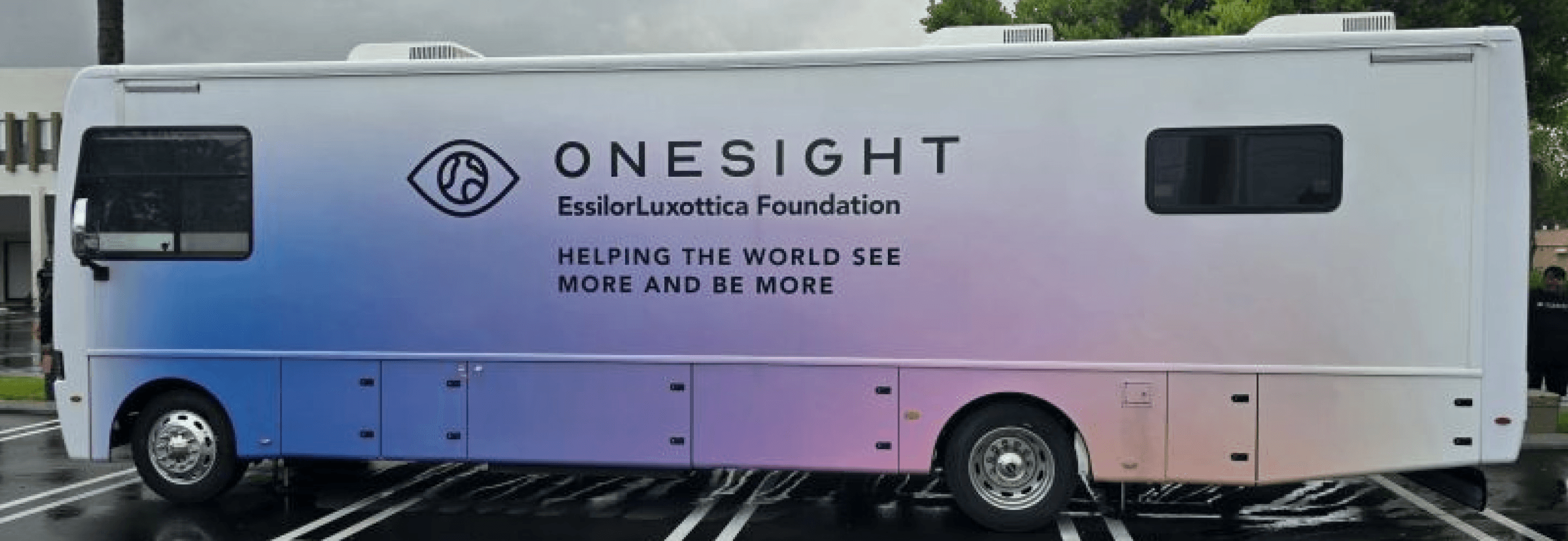
Mobilizer
Eye Care Trainer
Eye Care Assistants
Van 1
Documentor
Volunteer
Refractionist
Optometrist
Primary Health Assistant
Van 2
Volunteer
Eye Care
Trainer
Mobilizer
Van 3
Van 1
Awareness campaign, on boarding of primary health candidates,
Module 1
(Online)
Eye Care and Vision Health
Workshop 1
(Offline)
Eye Care and Vision Health
Van 2
Screening and Job Shadowing
Module 2
(Online)
Tele-health and AI solutions in Eye Care
Workshop 2
(Offline)
Tele-health and AI solutions in Eye Care
Module 3
(Online)
Business and Entrepreneurship
Van 3
Final Exam and Initiating Primary Health Center project
Primary Health Center
opening
Incentive Structure
How do we motivate online learning?
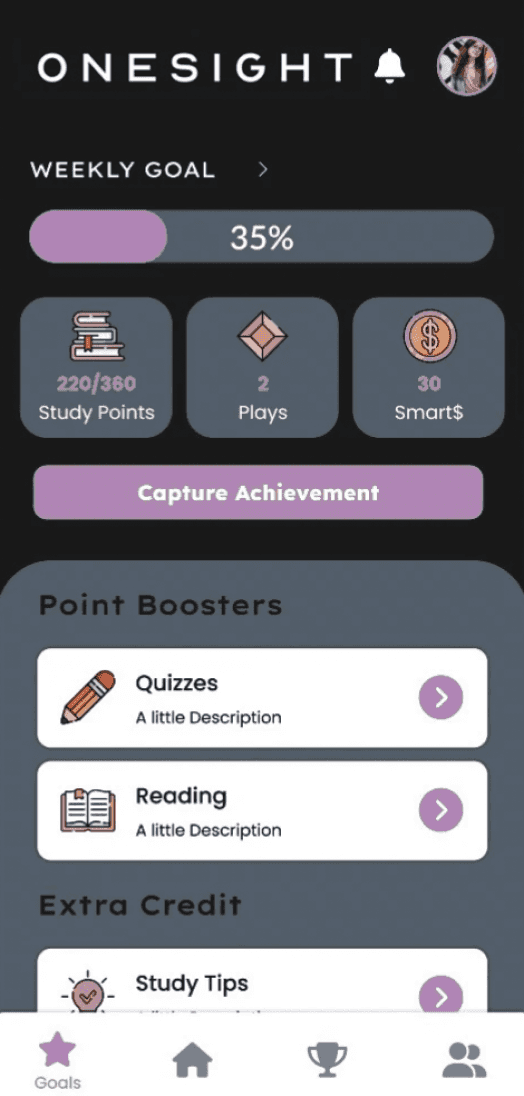
Candidate can view her lessons, readings & quizzes
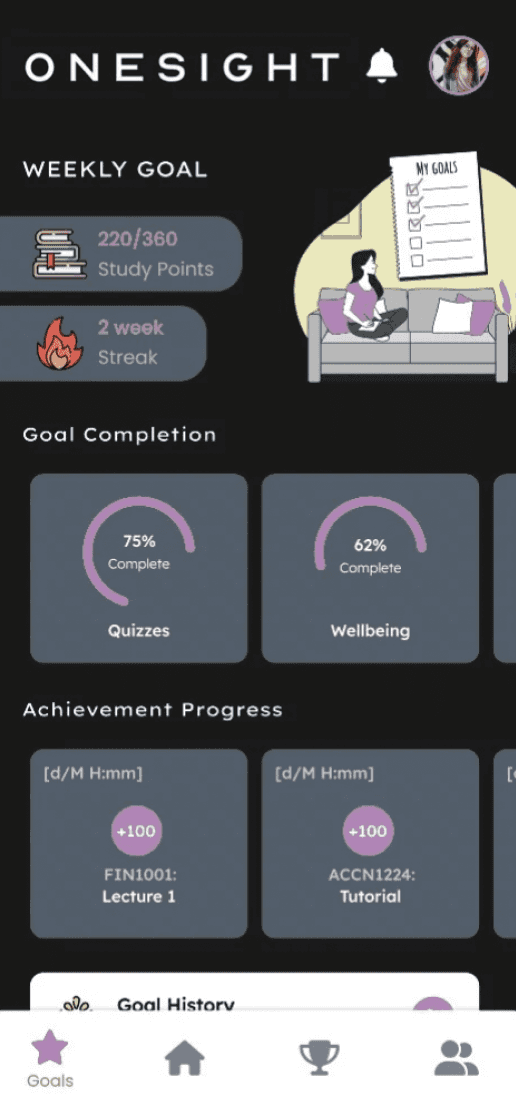
Candidate can set personalized weekly study goal
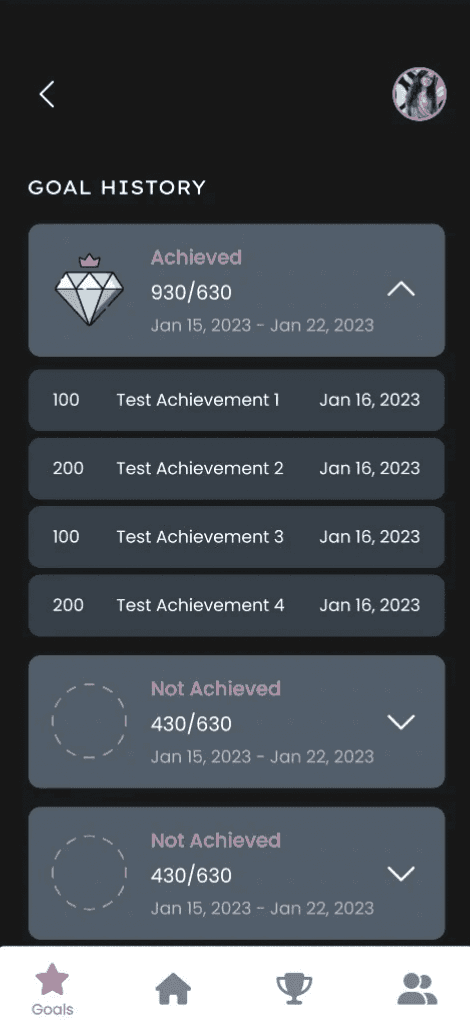
Candidate earns her play on the gameboard & continues her streak
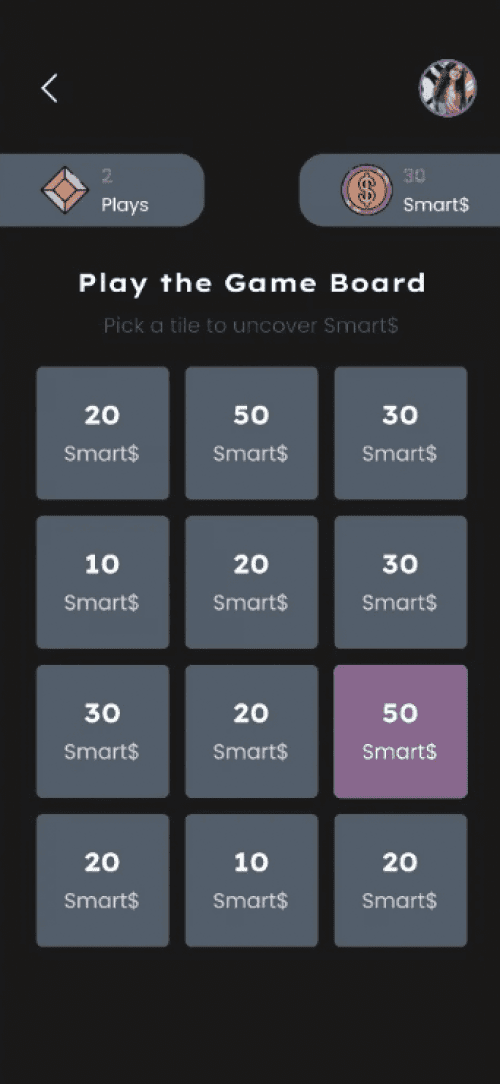
Candidate earns her
reward on successfully completing the module
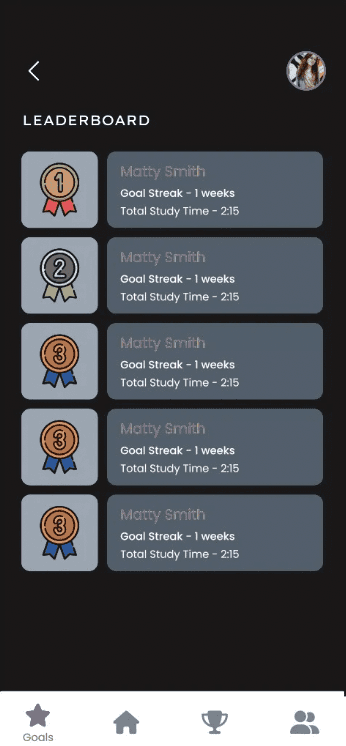
Candidate can also compete on the leaderboard
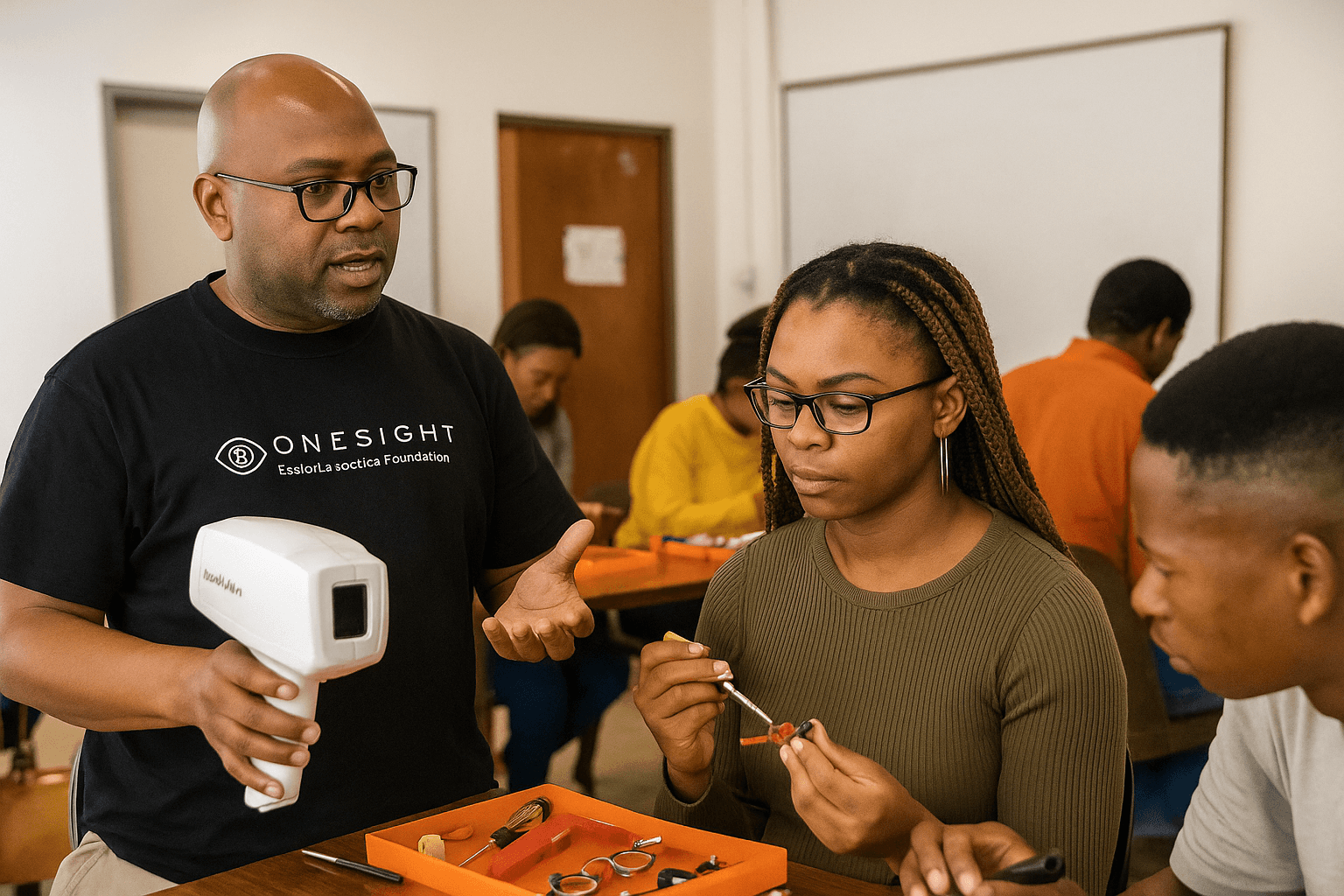
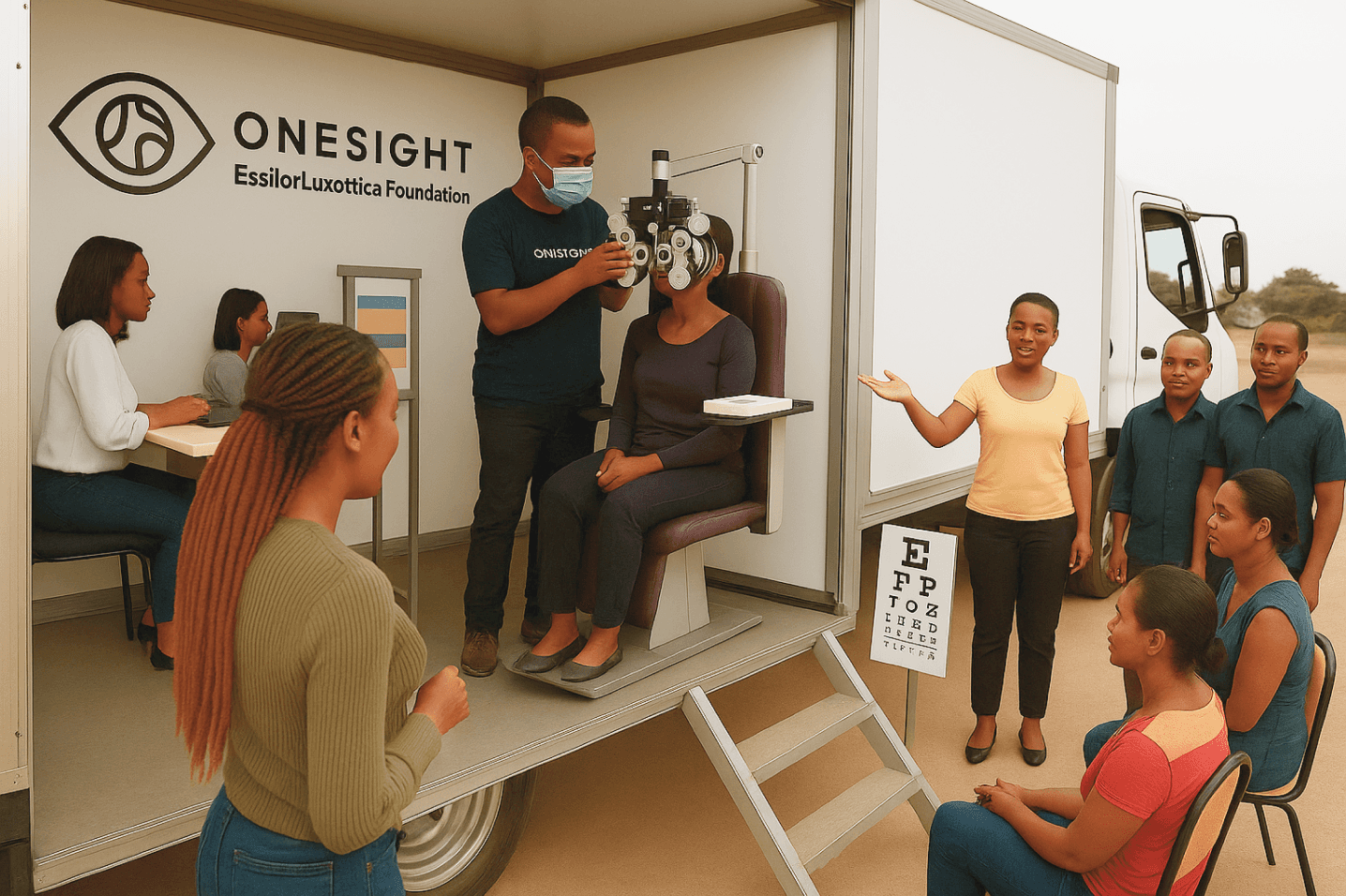
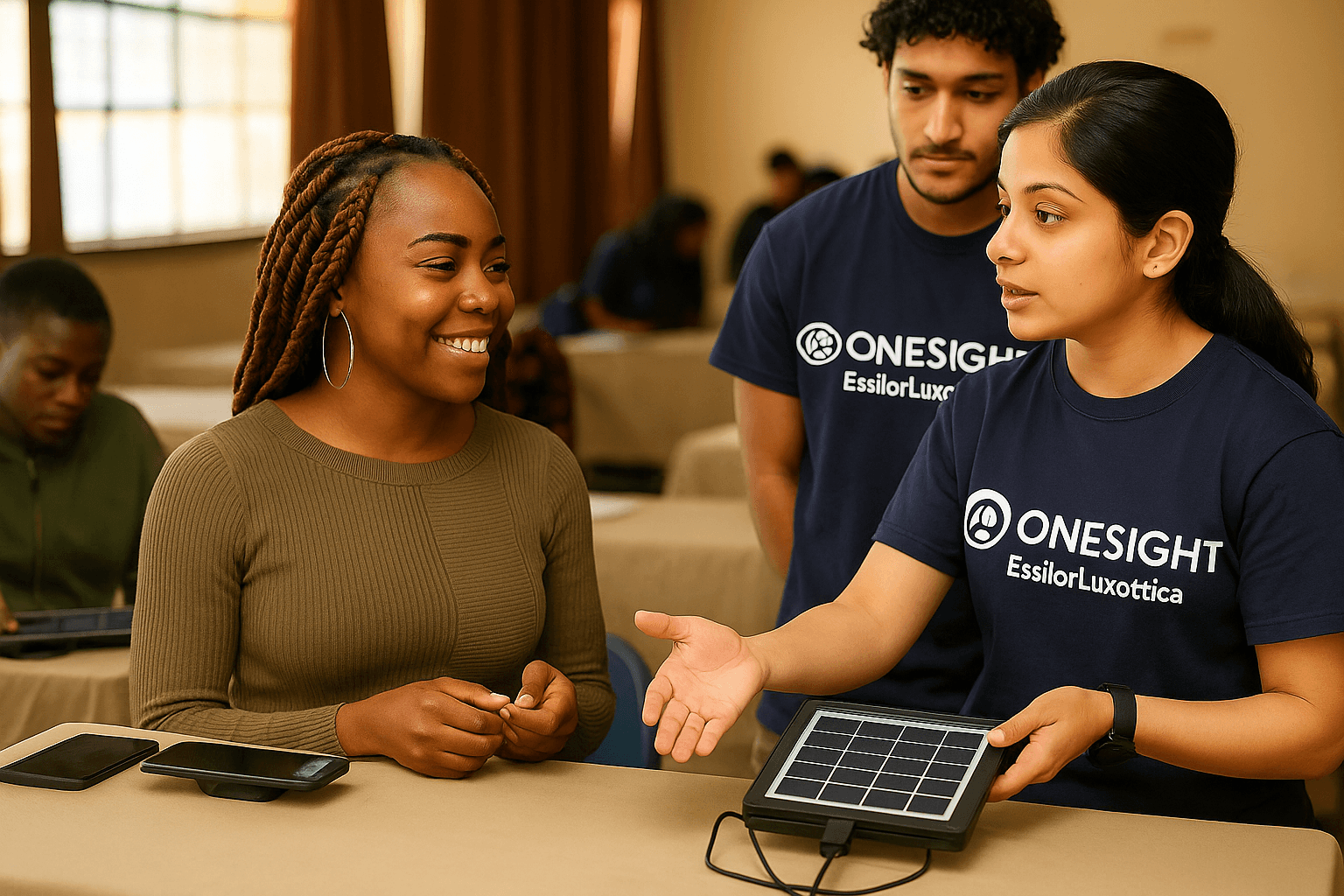
In-person workshops and job shadowing to support online learning
Impact
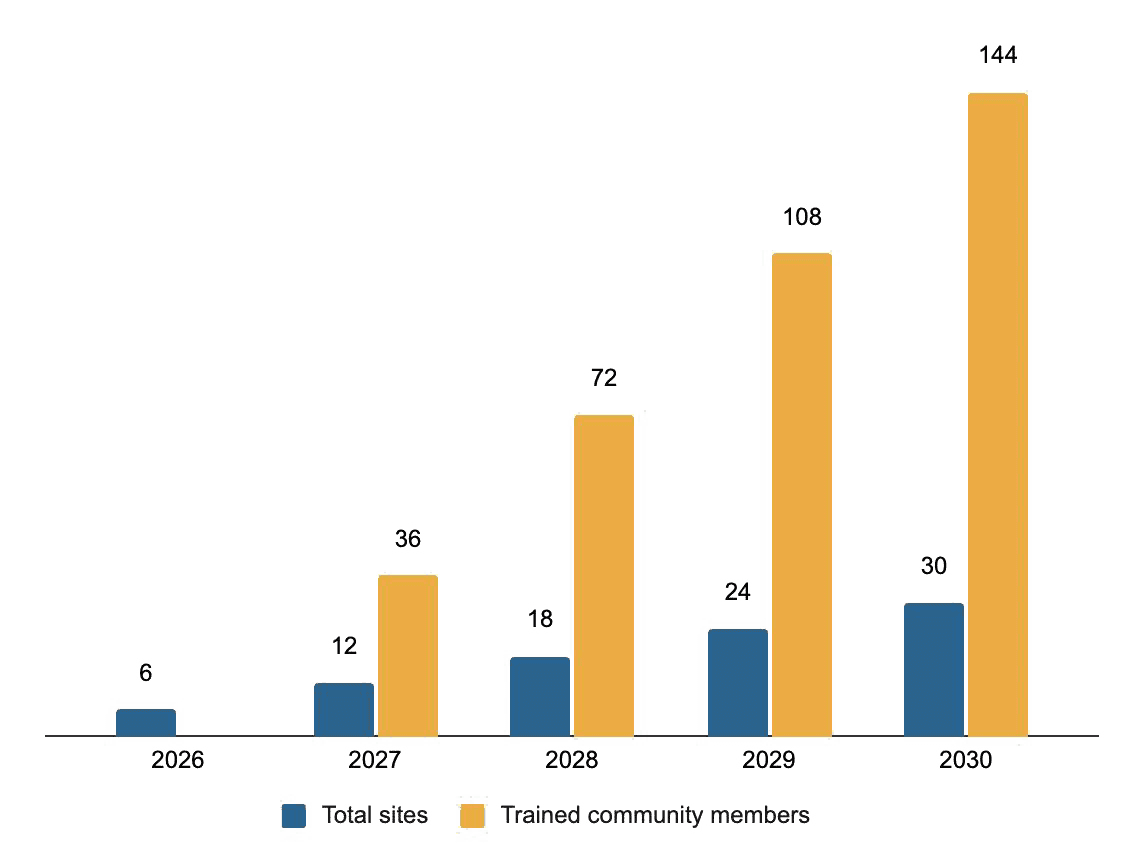
Sites and Trained Community member
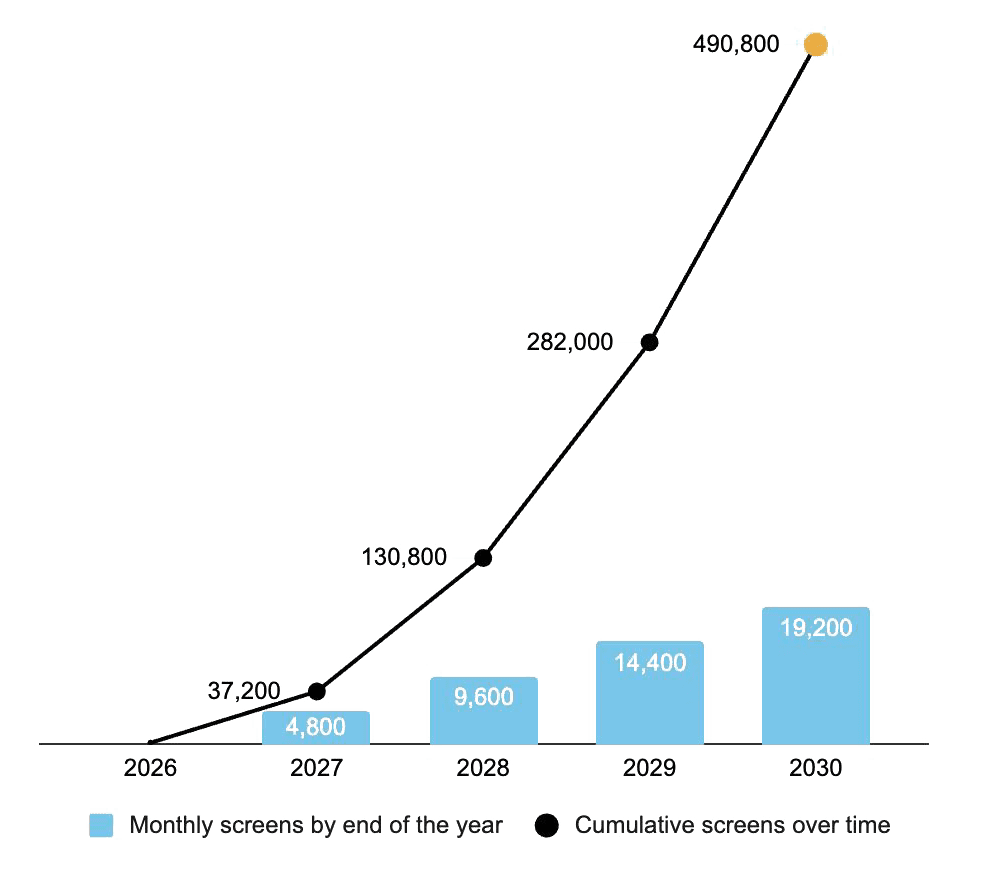
Number of screening by 2030 with the current system
Therefore,
if two of these service ecosystems ran in parallel in different places, we would have met our goal of screening 1 million people by 2030.
But why stop at just 2?
Learnings
1. Our proposal was based on existing initiatives of Onesight Foundation. An in-depth research on existing systems provides insights for developing new systems.
2. Questioning ideas will form robust strategies that will create a deeper impact. Questioning the idea of online learning, led us to use behavioral patterns to make it more engaging and to combine it with offline workshops to support the online learning
3. Presenting the projected impact created by the proposed strategies helps to validate and solidify it.

01 / Personnel Ecosytem
Research, Strategy & System Design and Social Innovation
OneSight EssilorLuxottica Foundation
POLI.design 2025
Brief
Select one of the SPECS (Service, Personnel, Education, Cost & Surveillance) pillar, empathize with it and design implementable Pillar strategies by defining a set of tactical tools
My Role
Researching on existing parts of personnel ecosystem, conceptualizing elements of the Ecosystem, co-designing the system, AI image generation, co-creating a narrative for the Pitch, and team coordination
OneSight x SPECS
Foundation joined forces with WHO’s SPECS initiative in order to address refractive error, prevent myopia, and improve access to vision care worldwide, particularly in low-resource settings.
S
Survelliance
P
Personnel
E
Education
C
Cost
S
Surveillance
Elements of Personnel Ecosystem
1
Build capacity of personnel to provide refractive services.
2
Regulate & Increase the workforce that provide refractive services.
3
Foster innovation for screening and refraction.
4
Standardize training programs for refractive services.
Primary Health workers
3-12 months of training
Primary Health Assistant
< 3 months of training
Ophthalmology Nurse
1-4 years of training
Optometrist
4-7 years of training
Ophthalmologist
> 7 years of training
We realized that the only way to sustainably solve the problem of lack of personnel in rural communities for once and for all is to train community members to become vision care providers to their own community.
- Anurag Hans
Head of Mission & President
OneSight EssilorLuxottica Foundation
What.
Imagine a service ecosystem that
Screens communities for refractive errors
Turns local residents into trained eye-care providers
Arms them with business skills and next-gen tools
Sustainable & Scalable.
Where.
Population = 511,655 residents:
Thembisa, South africa
86%
uncorrected refractive error.
84%
rely on public health care.
93%
of optometrists in private sector ➜ Eye care workforce gap
High poverty and unemployment ➜ affordability barriers
Other Health Issues ➜ HIV, TB & rising chronic diseases (diabetes, hypertension)
Extending existing partnerships and creating new ones
Funding University Students
Partner with universities to use their facility and increase the number of eye care professionals in the region
Local Eye-Care Professionals
Extending and creating new partnerships with local health-care professionals to meet the demand of health care workers
Eye Screening
Eye-care Training
Dis-chem & m-mama Foundation
Partnering with the foundations to leverage on their extensive reach in the country
Edge AI
Utilizing Edge AI to provide AI vision care optometry solution to lower connectivity and low skilled areas
Developing system based on existing initiatives and platform
Leonardo
EssilorLuxottica's innovative learning platform, features expert-curated content that can be tailored to learner needs.
Eye Rafiki, Kenya
The Eye Rafiki program provides training to unemployed or underemployed youth to become primary vision care providers known as Eye Rafiki Optical Technicians
Combining two tasks where one supports the other
How.
Documentor
Mobilizer
Documentor
Mobilizer
Eye Care Trainer
Eye Care Assistants
Van 1
Volunteers
Refractionist
Optometrist
Van 2
Primary Health Assistant
Eye Care
Trainer
Mobilizer
Eye Care
Trainer
Mobilizer
Volunteer
Van 3
Van 1
Awareness campaign, on boarding of primary health candidates,
Module 1
(Online)
Eye Care and Vision Health
Workshop 1
(Offline)
Eye Care and Vision Health
Van 2
Screening and Job Shadowing
Module 2
(Online)
Tele-health and AI solutions in Eye Care
Workshop 2
(Offline)
Tele-health and AI solutions in Eye Care
Module 3
(Online)
Business and Entrepreneurship
Van 3
Final Exam and Initiating Primary Health Center project
Primary Health Center
opening
Incentive Structure
How do we motivate online learning?
Candidate can view her lessons, readings & quizzes
Candidate can set personalized weekly study goal
Candidate earns her play on the gameboard & continues her streak
Candidate earns her reward on successfully completing the module
Candidate can also compete on the leaderboard
In-person workshops and job shadowing to support online learning
Impact
Sites and Trained Community member
Number of screening by 2030 with the current system
Therefore,
if two of these service ecosystems ran in parallel in different places, we would have met our goal of screening 1 million people by 2030.
But why stop at just 2?
Learnings
1. Our proposal was based on existing initiatives of Onesight Foundation. An in-depth research on existing systems provides insights for developing new systems.
2. Questioning ideas will form robust strategies that will create a deeper impact. Questioning the idea of online learning, led us to use behavioral patterns to make it more engaging and to combine it with offline workshops to support the online learning
3. Presenting the projected impact created by the proposed strategies helps to validate and solidify it.